A personal branding strategy is the plan that turns your expertise into recognition you can rely on. It helps the right people understand what you do, trust your judgment, and know how to take the next step with you.
In brief:
- Get clear on who you help, what problem you solve, and what you want to be known for.
- Build your strategy around five pillars: authentic content, engaging community, expert positioning, niche mastery, and consistent presence.
- Choose a manageable rhythm and measure progress by useful conversations and opportunities, not just visibility.
If you’re feeling overlooked in a crowded market, you don’t need to become famous. You need to become recognizable and trusted by the people who need your work. Start with the full Attention, Trust and Sales framework and the seven-step plan for getting your personal brand moving.
What is a personal branding strategy?
Your brand is the reputation people associate with you. Your branding strategy is the plan you use to shape that reputation over time.
That plan connects your expertise to the audience you want to serve. It guides what you say, where you show up, what you want to be known for, and how people can work with you.
Personal branding isn’t about chasing fame. It’s about influence and trust. You’re building a reputation that helps the right people remember you and feel confident taking the next step.
The five pillars of a personal branding plan
A strong personal branding plan doesn’t depend on one perfect post or a sudden burst of attention. It’s built through steady, useful actions.
Use these five pillars as a foundation:
- Authentic content: Share useful ideas rooted in your actual experience and point of view. Answer questions your customers ask.
- Engaging community: Make room for conversations. Listen, respond, and get to know the people you want to serve.
- Expert positioning: Explain what you know, who you help, and the problem you help them solve.
- Niche mastery: Focus on an audience and area where you can provide meaningful value. A clear niche makes it easier for people to remember why they should come to you.
- Consistent presence: Choose a sustainable way to show up and keep at it. Consistency gives people more chances to recognize and trust your work.
The pillars work together. Your content gives people a reason to pay attention. Your presence and community help build familiarity. Clear positioning and niche mastery show why your expertise matters.

How do you choose your niche?
Your niche is the overlap between the people you can help, the problem you understand, and the expertise you can bring to it.
To find a useful starting point, ask yourself:
- Which customers do I understand well or most enjoy serving?
- What problem do they need solved?
- What experience or insight can I bring to that problem?
- What would I be glad to keep talking and learning about?
Then write a simple positioning statement:
I help [specific audience] solve [specific problem] through [your approach or expertise].
It doesn’t have to be perfect. Test it in conversations with customers, colleagues, and people who know your industry. Notice what they understand quickly, what they ask about, and where your experience is most useful. Refine your focus as you learn.
How to become a go-to expert in your industry
Becoming a go-to expert isn’t a single campaign. It’s the result of giving people clear, repeated reasons to remember and trust you.
Focus on four habits:
- Be specific. Talk about a defined audience and the problems you can help them with. Specificity makes your expertise easier to recognize.
- Be useful. Share advice people can apply. Explain your thinking, not just your conclusions.
- Be repeatable. Return to a small set of themes, questions, and ideas you want to be known for. Your audience needs to hear from you more than once.
- Be findable. Make sure your website and public profiles clearly state what you do and who you help. Show up where your audience already spends time.
This approach builds recognition gradually. Consistency beats overnight virality because it gives people repeated opportunities to learn from you. Over time, aim to build a tribe of people who believe in your work, not just a list of customers who bought once.
Trust is part of that work. Read why trust is what closes the deal, and consider how your reputation as an expert works alongside personal brand vs. corporate brand. If content is part of your plan, creating content consistently and developing personal branding on LinkedIn can help you build a practical rhythm.

Build your strategy with a practical tool
The free Celebrity CEO Blueprint helps you map who you serve, where to reach them, and how to build Attention, Trust, and Sales into your personal brand.
Your 90-day personal branding strategy
Think of the next 90 days as a focused start, not a deadline for becoming widely known. The aim is to make your positioning clearer, show up consistently, and learn from the response.
Your 90-day personal branding strategy
Month one: Get clear
- Choose the audience and problem you want to focus on.
- Write your positioning statement and test it with a few people who know your work.
- Review your website and profiles. Make sure they explain what you do, who you help, and what someone can do next.
Month two: Show up 4. Choose one primary channel where your audience is active. 5. Pick a realistic publishing rhythm, such as one useful post, email, or article each week. 6. Create content around recurring customer questions and your own experience. Respond to people who engage.
Month three: Strengthen and refine 7. Look for the ideas, conversations, and formats that are most useful to your audience. 8. Improve what you’ve already published and make your next step clearer. 9. Review your progress, keep what’s working, and set a manageable plan for the next 90 days.
Complete a quick brand audit
Set aside 20 minutes and answer these questions honestly:
- Can a new visitor tell who I help and what I help them do?
- Does my content reflect what I genuinely know and believe?
- Am I speaking to a specific audience, or trying to appeal to everyone?
- Do my website, profile, and introduction describe my work consistently?
- Have I chosen a rhythm I can sustain?
- Do I make it easy for someone to learn more or work with me?
Circle one answer that needs attention. That’s your next action. You don’t need to rebuild everything at once.
How do you measure personal branding progress honestly?
A bigger audience can feel encouraging, but it doesn’t tell the whole story. Track signals that show whether the right people understand and value your work.
Review a few practical indicators each month:
- Are people asking more relevant questions about your expertise?
- Are you having useful conversations with potential customers or collaborators?
- Do your introductions and profiles clearly communicate what you do?
- Are people sharing, saving, or responding thoughtfully to your ideas?
- Are your content and outreach leading to appropriate inquiries or invitations?
Look at the pattern, not just one post or one week. If activity is rising but the conversations aren’t relevant, revisit your audience, positioning, or channel. If your efforts feel scattered, simplify the plan. Honest measurement helps you improve without chasing numbers that don’t support your goals.
Common mistakes that stall a personal brand
No focus: Trying to speak to everyone makes it hard for anyone to recognize that your work is for them. Narrow your audience or the problem you discuss.
No rhythm: Posting intensely and then disappearing makes it harder to build familiarity. Choose a pace you can maintain alongside your business.
Hiding: You don’t need to share every part of your life. But if people can’t find your point of view or understand your expertise, they have little to go on. Teach something useful in your own voice.
Copying someone else: Another person’s format or style may not fit your strengths or audience. Learn from others, but build around your own experience, values, and way of helping.
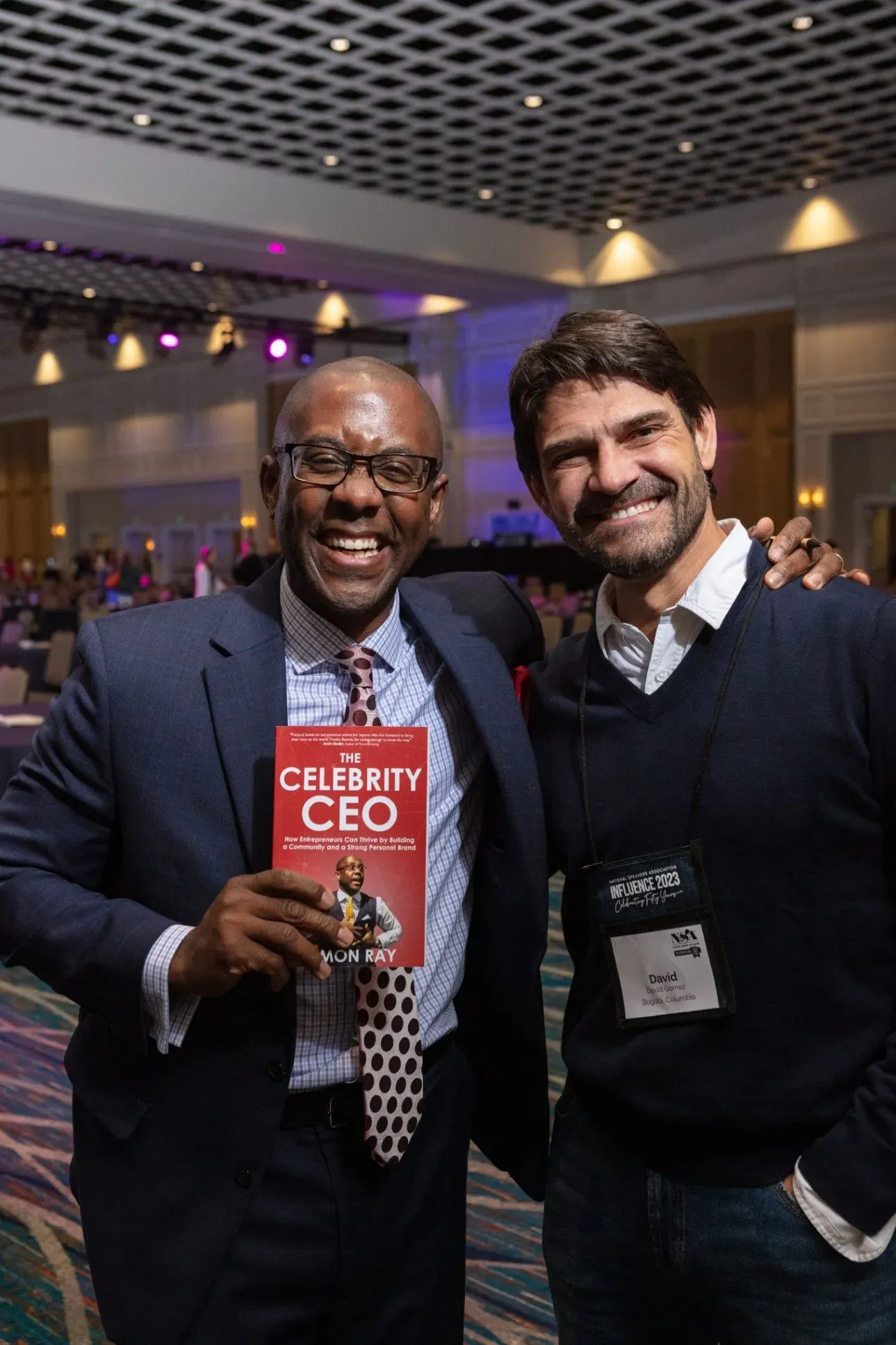
Ramon Ray, author of The Celebrity CEO: How Entrepreneurs Can Thrive by Building a Strong Personal Brand, is a keynote speaker, Publisher of ZoneofGenius.com, and contributor to Entrepreneur, Inc., and Forbes. The core lesson is practical: build a brand that reflects who you are and helps the right people understand the value you bring.

Frequently asked questions
What is a personal branding strategy?
It’s a plan for shaping how the right people understand and remember your expertise. It guides your audience, positioning, content, channels, and next steps.
How much does personal branding cost?
It can start with time rather than a large budget. Clarifying your message, improving your profiles, and sharing useful content can be done with tools you already have. You may choose to invest later in support, design, photography, or other resources that fit your needs.
How do you become a go-to expert in your industry?
Focus on a clear audience and problem, share useful expertise consistently, make your work easy to find, and build genuine relationships. Trust grows through repeated, helpful experiences.
How often should I review my strategy?
Review your activity and audience response monthly. Take a deeper look at your positioning and priorities every 90 days, then adjust based on what you’ve learned.
Take your next step
You don’t need a complicated plan to begin. Choose one audience, one problem, and one useful idea you can share this week. Keep showing up, listen to the response, and refine your strategy as you learn.
If you’d like guidance and a community as you put your personal brand to work, explore The Celebrity CEO Coaching. A free trial is available.