If you feel invisible in a crowded market, learning how to build a personal brand can help the right people understand what you do, remember you, and feel confident taking the next step. You do not need to become famous. You need to become known and trusted by the people you want to serve.
In 10 seconds: Choose a specific audience, clarify the problem you help solve, share a useful point of view, and show up consistently in one place. Then gather proof that helps people trust your work.
For a clear starting point, read what a personal brand actually is. Your brand is the reputation you build through your expertise, actions, and the experience people have with you. The goal is not attention for its own sake. It is attention that can grow into trust and, when there is a fit, sales.
How to build a personal brand in seven practical steps
Think of these steps as decisions you can make this week, not a grand rebrand that needs to be perfect before you begin. Each answer gives you a clearer foundation for your content, conversations, and offers.
1. Name the audience you want to serve
“Everyone who needs my service” is too broad to guide your message. Get specific about the people you understand and can help.
Consider their role, type of business, stage, or situation. For example, rather than “small businesses,” you might focus on “independent consultants who need a clearer way to explain their services.”
Write down one audience you want to reach. You can adjust your focus as you learn. Starting with a clear group makes it easier for people to recognize when you are speaking to them.
2. Identify the problem they want solved
Your audience may not describe their need using the language you use in your business. Listen to the words they use in client conversations, emails, reviews, and questions.
Ask yourself:
- What are they trying to do?
- What keeps getting in the way?
- What do they wish were easier?
Choose one problem to center your message on. A useful personal brand helps people connect your name with a challenge they want to solve.
3. Make a clear promise
Your promise is a plain-spoken explanation of how you help. It is not a guarantee of a particular outcome. It is a signal that tells people what kind of help they can expect from you.
Try this sentence:
I help [audience] solve [problem] so they can [useful outcome].
Keep it honest and specific. Use language your audience understands, not a list of services or impressive-sounding phrases. A clear promise helps people decide whether your expertise is relevant to them.
4. Choose a point of view that sounds like you
Expertise matters, but your perspective helps people remember you. What do you believe about your industry? What common advice do you question? What do you wish more people understood?
Your point of view does not need to be controversial. It needs to be grounded in your experience and useful to your audience.
Study other people in your field for patterns in positioning and consistency. You can work through 15 personal brand examples you can study for that. The point is not to copy someone’s style or story. Notice how each person makes their expertise and perspective recognizable, then develop an approach that fits you. For the wider framework behind these steps, revisit what a personal brand is and how attention becomes trust.

5. Pick one channel to start
You do not need to be everywhere. Start where your audience already pays attention and where you can comfortably share your ideas.
That could be a professional social platform, a newsletter, a podcast, local events, or conversations in an industry community. Choose one primary channel for now. Make your profile or introduction clear about who you help and how.
When you have a steady routine, you can decide whether it makes sense to repurpose your ideas elsewhere.
6. Set a rhythm you can maintain
A personal brand grows through repeated experiences. People see what you share, how you respond, and whether your actions match your message.
Choose a realistic rhythm. For example, you might share one useful idea each week, answer audience questions, and follow up with people you meet. A manageable cadence gives you room to be thoughtful and makes it easier to keep showing up.
As you build, return to the five pillars of personal branding: authentic content, engaging community, expert positioning, niche mastery, and consistent presence. You do not have to master them all at once. Use them as a compass for the work you do each week.
Why consistency beats virality
A viral moment can bring a rush of attention. It does not automatically help people understand your expertise, trust your judgment, or know what to do next.
Consistency gives people more chances to see how you think and what you can offer. Each useful post, helpful conversation, and clear introduction adds to a growing impression of your work. Over time, those small moments can compound into a reputation people remember.
You do not need to publish every day or chase every trend. Keep a steady presence where the right people can find you, and make the experience useful when they do.
Build your next step
Want help clarifying your audience, positioning, and message? The free Celebrity CEO Blueprint walks you through attention, trust, and sales, with a workbook to write your answers down.
7. Collect proof and keep learning
Trust grows when your claims are supported by real examples. Proof can include a thoughtful client testimonial, a sample of your work, a case study, a relevant credential, or a clear explanation of your process.
Use proof you can stand behind. Ask permission before sharing client feedback or identifying details. If you are early in your business, show people how you think: explain your approach, answer questions, or share a useful example from your work.
Pay attention to the conversations that follow. What questions do people ask? Which ideas are helpful? Use what you learn to refine your message and keep serving your audience.
Your seven-item checklist for this week
Set aside 30 minutes and write a first answer for each item. It does not have to be perfect. It has to be clear enough to put into practice.
- Audience: I want to help ____________________.
- Problem: They need help with ____________________.
- Promise: I help them ____________________.
- Point of view: I believe ____________________.
- Channel: I will start by showing up on/in ____________________.
- Rhythm: I will share or connect ____________________.
- Proof: One real example of my expertise is ____________________.
Frequently asked questions
How long does it take to build a personal brand?
There is no fixed timeline. Building a recognizable reputation takes repeated, useful interactions with the people you want to reach. Focus on a clear message and a sustainable rhythm, then review what you are learning as you go.
Do I need a website to build a personal brand?
No. You can begin by improving your profile on a channel your audience uses and sharing useful ideas there. A website can help people learn more about your work, but it does not need to be your first step.
Can I build a personal brand with no audience?
Yes. Start with the people you can reach now: current customers, colleagues, peers, or a relevant community. Share helpful ideas, take part in conversations, and make it easy for people to understand what you do. An audience grows one relationship at a time.
Start with one clear action
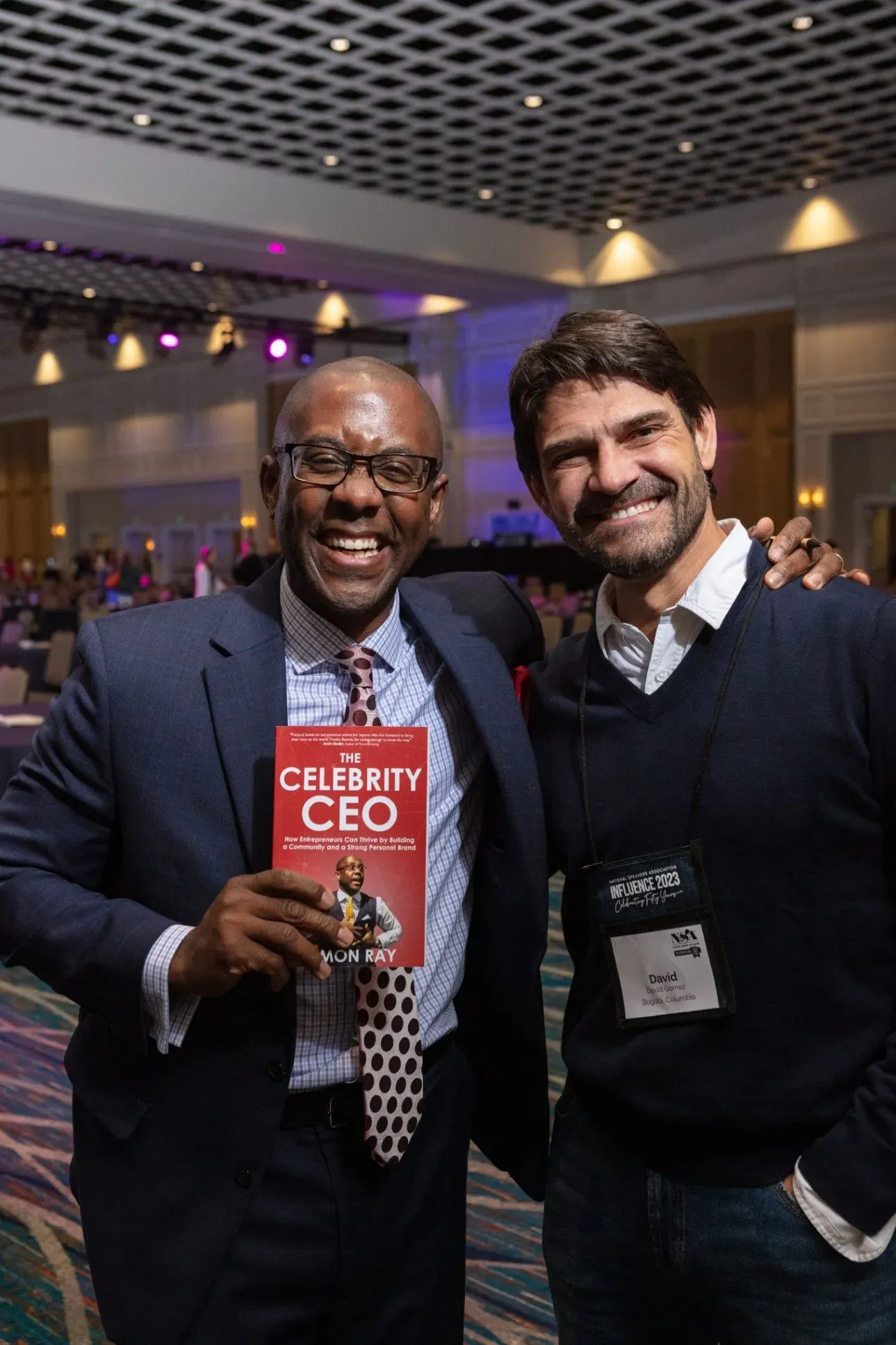
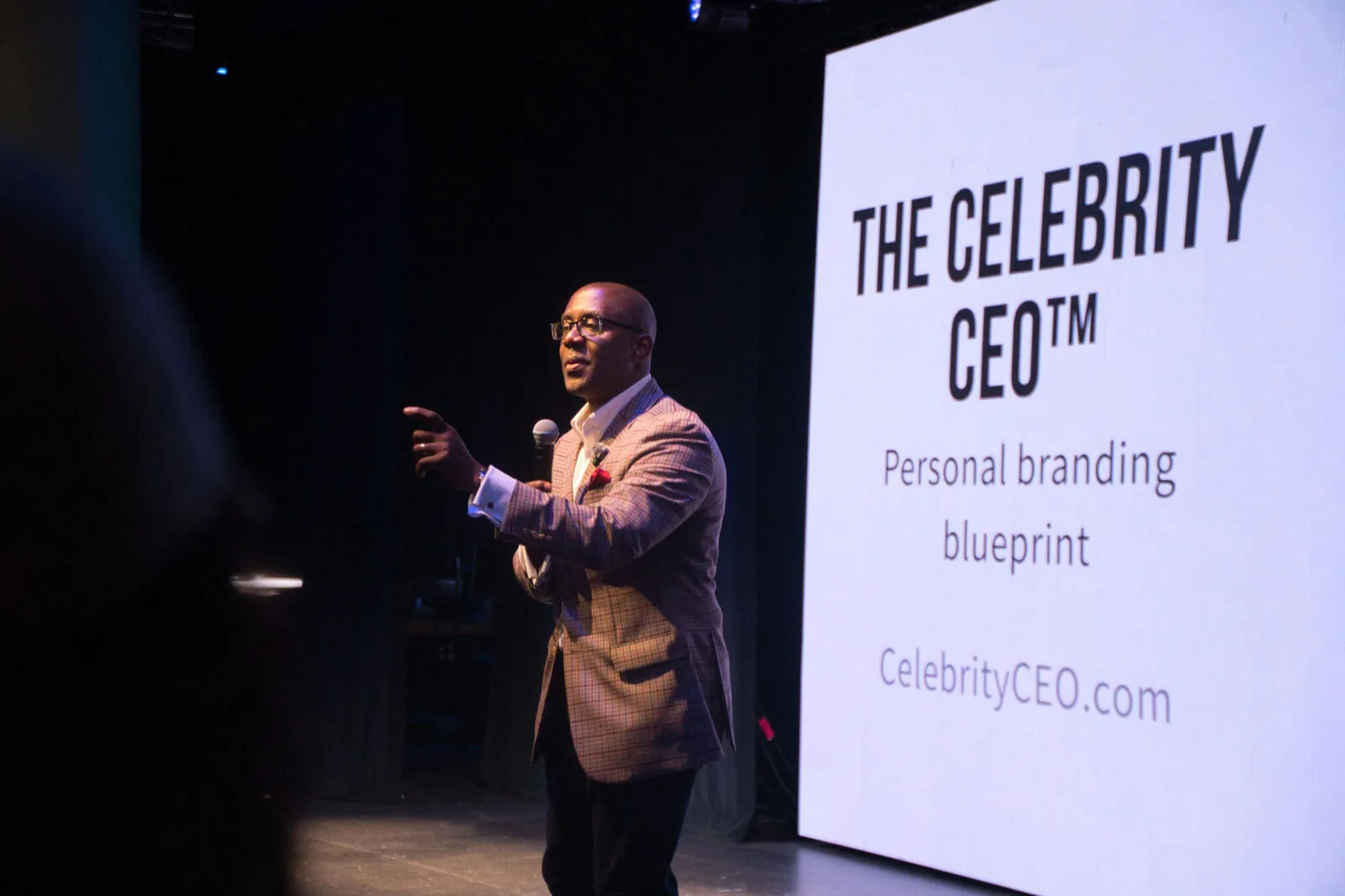
Ramon Ray, author of The Celebrity CEO: How Entrepreneurs Can Thrive by Building a Strong Personal Brand and a keynote speaker, created the book as a roadmap for entrepreneurs who want to get known, earn trust, and grow their business. The Celebrity CEO is available on Amazon.
If you would like support putting your personal brand into practice, explore The Celebrity CEO Coaching, which offers a free trial. This week, start with your audience and the problem you help them solve. One clear answer is a strong first move.