
A strong personal brand is the clear, consistent impression you make by sharing what you know, who you help, and why people can trust you. These personal brand examples can help you see what that looks like in practice, but the goal is to copy the pattern, not the person. You don’t need their personality, platform, or career. You need a distinct promise and a useful way to show up for your audience.
For a small business owner or consultant, a personal brand can make it easier for the right people to remember you, refer you, and see you as a go-to expert. If you want the framework first, start with what a personal brand actually is. Here are 15 examples to study, with one practical takeaway from each.
Personal brand examples built around a clear niche

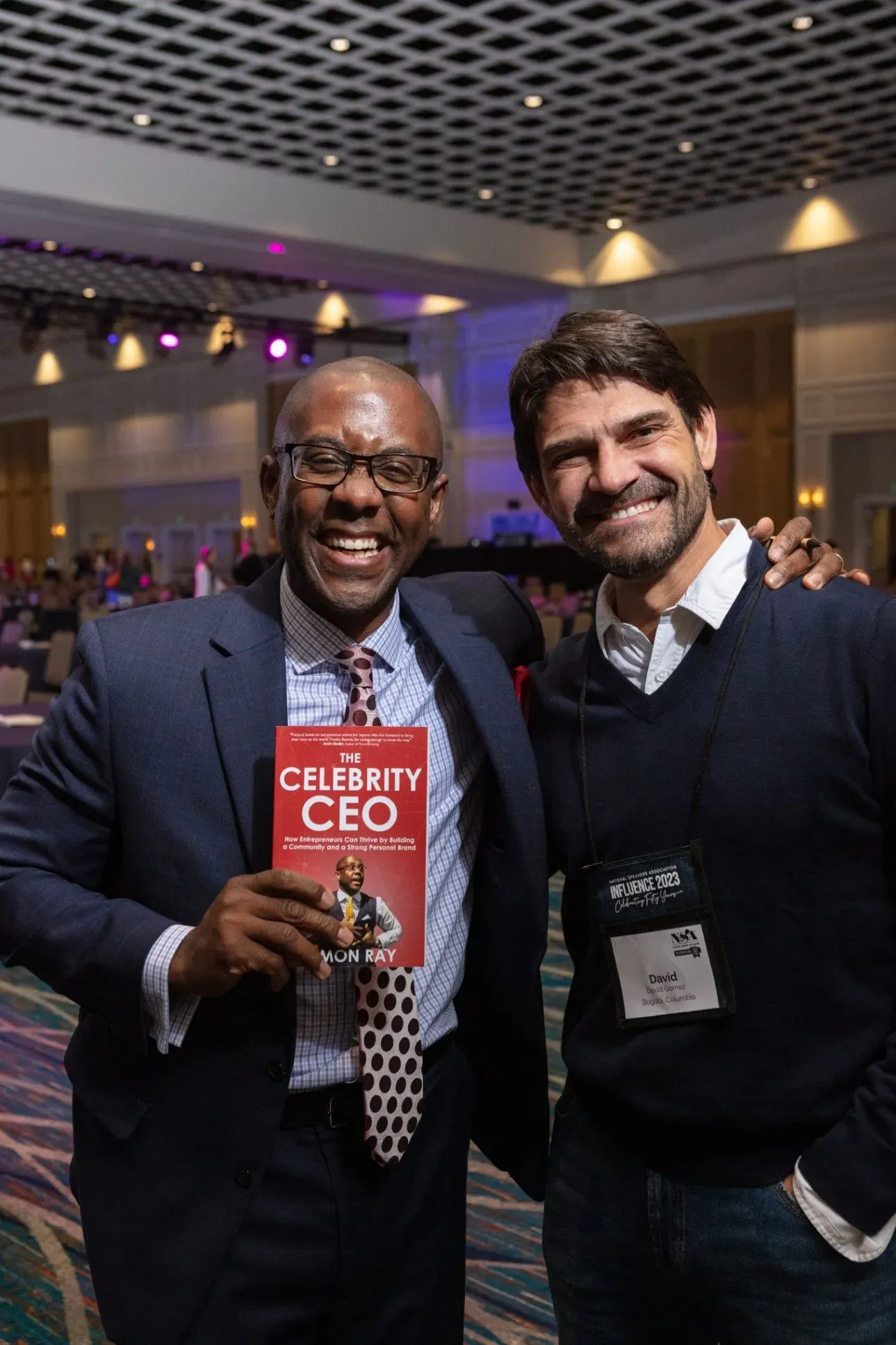
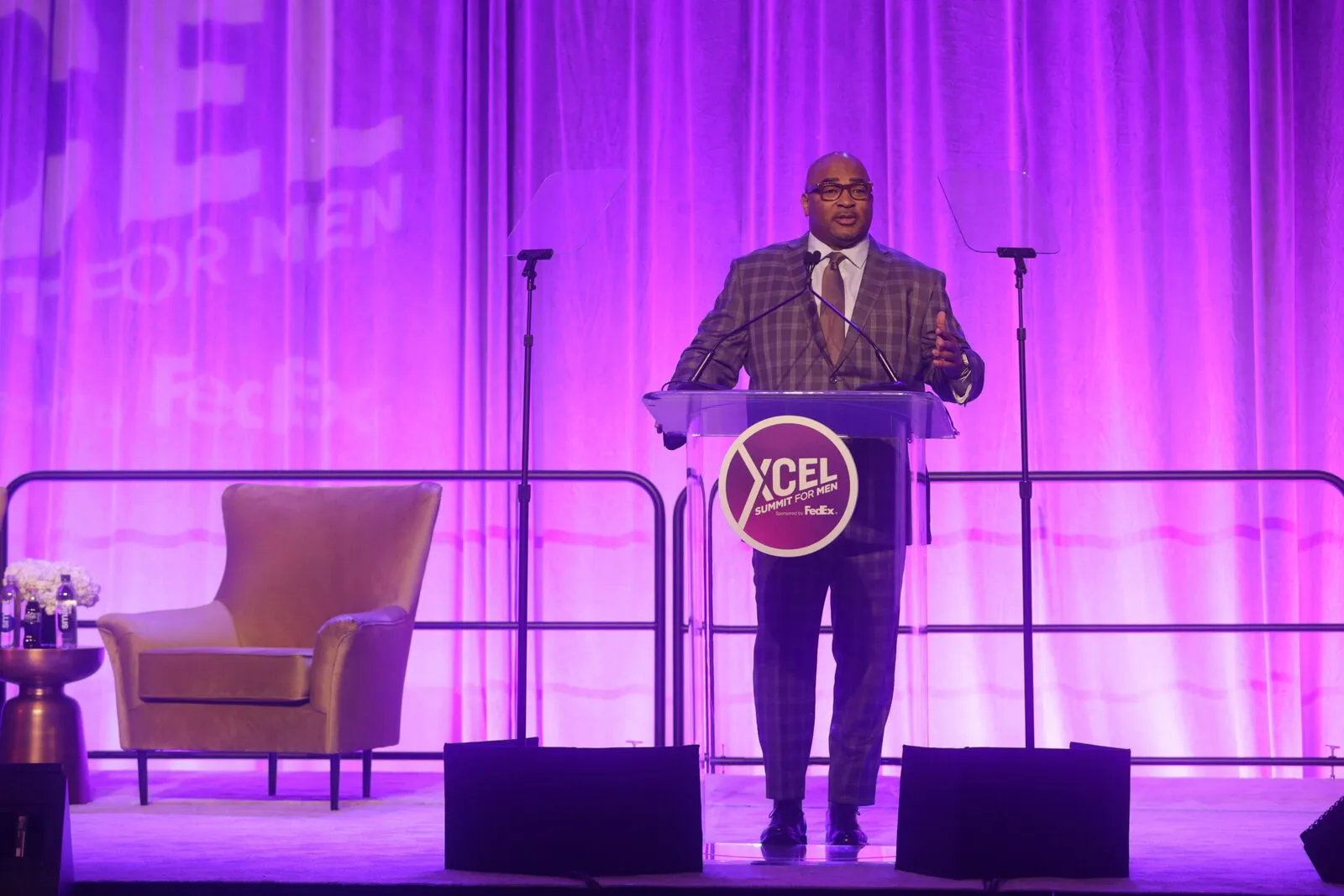
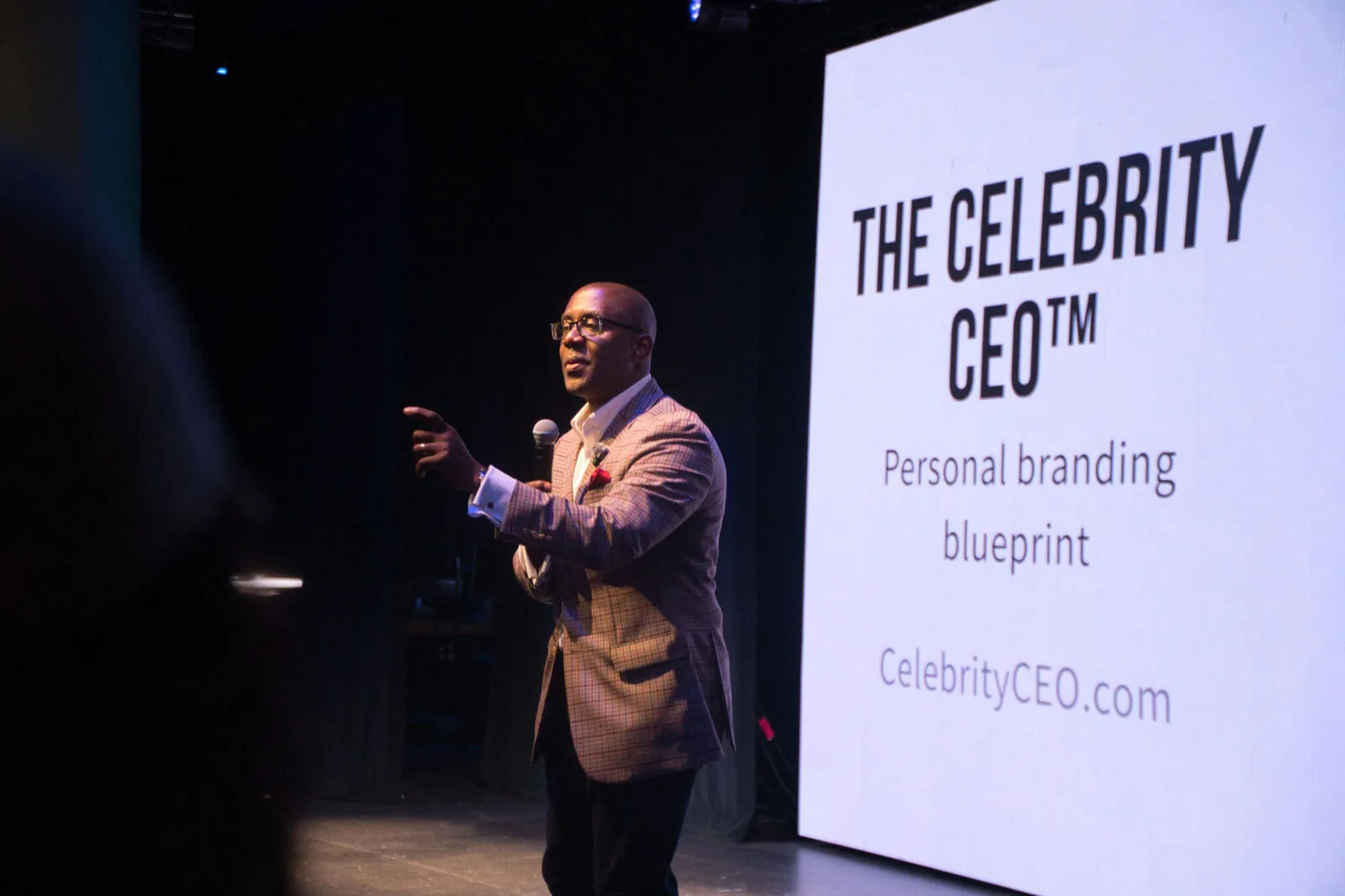
Ramon Ray: Small-business growth through personal branding.
Ramon is an entrepreneur, keynote speaker, author of The Celebrity CEO™: How Entrepreneurs Can Thrive by Building a Strong Personal Brand, and Publisher of ZoneofGenius.com. His work connects visibility and trust with the practical realities of growing a small business. He also contributes to Entrepreneur, Inc., and Forbes.
- Copy this: Write one sentence that connects your expertise to a specific audience and business outcome.
Pat Flynn: Practical online business education.
Pat’s public positioning centers on helping people build online businesses. His Smart Passive Income brand pairs educational content with a helpful, transparent style, making complicated business ideas feel approachable. Readers can see what he teaches and who it is for.
- Copy this: Share a useful, step-by-step answer to a question your customers ask repeatedly.
Amy Porterfield: Clear guidance for building an online business.
Amy focuses on helping people start and grow online businesses, including through courses and email marketing. Her podcast, free resources, and programs reinforce a consistent subject area, so people know what kind of help to expect when they find her.
- Copy this: Choose one problem you solve and make your next three posts answer different questions about it.
Chris Do: Creative business and design education.
As the founder of The Futur, Chris Do teaches creative professionals about design, business, and positioning. His focus on the business side of creative work makes his expertise easy to recognize beyond design skills alone.
- Copy this: Name the specific challenge your expertise helps people solve, not just the service you provide.
Personal brands built on a memorable point of view
Seth Godin: Marketing and creative work through original ideas.
Seth is known for sharing concise ideas about marketing, leadership, and creativity through books, talks, and his blog. His recognizable style shows that a personal brand can be built around the ideas you return to, not just a polished visual identity.
- Copy this: List three ideas you want your audience to associate with your name. Use them to guide your content.
Brené Brown: Research and storytelling about courage and vulnerability.
Brené brings her research on topics such as vulnerability, courage, and empathy to books, talks, and podcasts. Her personal stories and accessible explanations help make complex subjects feel relevant to everyday life.
- Copy this: Explain one lesson from your work with a short, specific story that makes the idea easier to understand.
Simon Sinek, Leadership and purpose.
Simon is widely associated with leadership and the idea of starting with “why,” explored in his book Start With Why and related talks and content. A distinct central idea gives people a simple way to understand what he stands for and share it with others.
- Copy this: Complete this sentence: “I believe people in my industry should ___.” Make that belief visible in your content.
Marie Forleo: Encouraging, practical business and personal development.
Marie combines an energetic, encouraging style with advice about business and personal growth. Her “Everything is figureoutable” phrase offers a memorable expression of her optimistic point of view, while her shows and programs give people ways to explore it further.
- Copy this: Find a short phrase that reflects how you help people. Keep it honest, useful, and easy to remember.
Personal brands built through consistency and useful content

Gary Vaynerchuk: Entrepreneurship, marketing, and documenting the work.
Gary built a visible public presence by sharing ideas through videos, social content, interviews, and talks. His “document, don’t create” approach encourages people to capture useful moments from work rather than wait for a perfect production.
- Copy this: Record a one-minute answer to a customer question you handled this week. Share it as a simple video or post.
Tim Ferriss, Learning through experiments and long-form conversations.
Tim is known for books such as The 4-Hour Workweek and for The Tim Ferriss Show, where he has extended his work through in-depth interviews. His public brand connects curiosity, experimentation, and asking detailed questions.
- Copy this: Interview a customer or colleague about one useful lesson in your field. Share the lesson and credit their perspective.
Jenna Kutcher: Digital marketing and creative entrepreneurship.
Jenna shares business and marketing education through her website and The Goal Digger podcast. Her content links practical topics, such as marketing and building a business, with an approachable personal voice, helping her audience understand both what she teaches and how she teaches it.
- Copy this: Choose a recurring content format, such as a weekly tip or Q&A, and publish it on a schedule you can sustain.
Ann Handley, Writing and marketing.
Ann is a writer and marketing expert known for her work on writing well for business, including her book Everybody Writes. A focused subject and a recognizable, conversational voice make her advice feel distinct from generic marketing guidance.
- Copy this: Edit one piece of your marketing copy to sound more like a helpful conversation with a real customer.
Personal brands strengthened by story and connection

Chalene Johnson: Fitness, business, and personal development.
Chalene has built a public presence across fitness and entrepreneurship, including through her podcasts and educational work. Her ability to bring personal experience into practical advice helps connect her varied topics to a recognizable voice.
- Copy this: Share one experience that shaped how you work, then explain what someone in your audience can learn from it.
Mel Robbins: Practical personal development.
Mel is known for books, talks, and podcasting that offer tools for behavior change and everyday motivation. Her work is presented in an accessible, action-oriented way, giving audiences a clear reason to return: they’re looking for a next step they can try.
- Copy this: Turn one useful piece of advice into a small action someone can take today.
Lewis Howes: Personal growth and conversations with achievers.
Lewis is an entrepreneur, author, and host of The School of Greatness, where conversations and personal development are central to the brand. A recurring show gives his audience a familiar format and a dependable way to explore the subject.
- Copy this: Create a simple recurring series, such as a customer spotlight or expert Q&A, that your audience can look forward to.
What all of these personal brand examples have in common
The people above have different industries, personalities, and platforms. But their personal branding examples share five building blocks:
- Authentic content: They communicate in a recognizable voice and make their ideas feel human.
- Engaging community: They create ways for people to learn, respond, and stay connected.
- Expert positioning: Their content and public work demonstrate what they know.
- Niche mastery: They return to subjects their audiences can associate with them.
- Consistent presence: They keep showing up through formats and channels that fit their work.
These are the five pillars behind The Celebrity CEO™ approach to personal branding. You don’t need to be famous or post everywhere. You do need a clear focus and a steady way to prove your value.
How to build your own personal brand starting this week
You don’t need a full rebrand to begin. Try these personal branding tips:
- Choose an audience. Be specific about who you want to help.
- Name the problem. What is one important challenge you help them solve?
- Write your positioning sentence. Use this starting point: “I help [audience] do [outcome] through [approach].”
- Pick a sustainable format. Choose one channel and a useful format, such as a LinkedIn post, short video, or email.
- Show up and listen. Publish regularly, respond to people, and notice which questions come up again.
A practical personal branding strategy is one you can keep doing. Over time, your consistent answers, examples, and conversations can help you become a go-to expert in your field. For the full walkthrough, see how to build a personal brand step by step.
Frequently asked questions
What is a good example of a personal brand?
A good example makes it easy to understand a person’s expertise, audience, and point of view. Ramon Ray, for example, connects his public work as an entrepreneur, author, and speaker with practical advice for small business owners.
Do I need to be famous to have a personal brand?
No. A personal brand is the impression people have of your expertise and how you work. You can build one in a local market, a professional community, or a focused niche without becoming widely famous.
How long does it take to build a personal brand?
There’s no fixed timeline. Building recognition takes time and depends on your audience, your focus, and how consistently you share useful work. Start with a clear message and a rhythm you can maintain.
What should I post when I’m building a personal brand on LinkedIn?
Share useful answers to real customer questions, lessons from your work, and thoughtful perspectives on your field. Keep the focus on your audience’s needs rather than trying to sound like someone else.
Build a brand that feels like you
The best personal brand is not a performance. It’s a clear, helpful way to show people what you know and why it matters. Start with one audience, one useful idea, and one simple way to share it.
For a practical roadmap, explore Ramon Ray’s book The Celebrity CEO™: How Entrepreneurs Can Thrive by Building a Strong Personal Brand. You can also visit The Celebrity CEO™ to get the free Personal Branding Blueprint and sign up for the weekly newsletter with motivation and business growth tips.