Start Here
What Is a Personal Brand? Inside The Celebrity CEO System of Attention, Trust and Sales
A personal brand is the experience people have of you, repeated, until it becomes what they say when your name comes up.
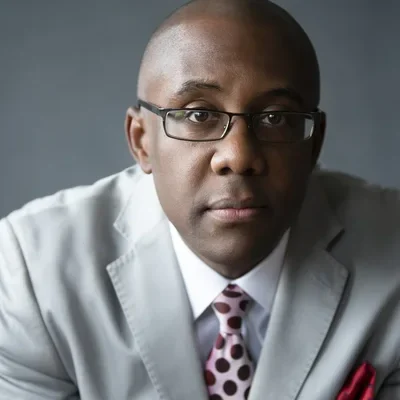
By Ramon Ray
9 min read
A personal brand is the experience people have of you, repeated, until it becomes what they say when your name comes up. It is not just what you say about yourself. It is what people come to expect from you: what you know, how you treat them, and whether they believe you can help.
What is a personal brand, really?
Your personal brand is your reputation in the market. It forms through your expertise, point of view, values, actions, and the way people experience working with you.
You have a personal brand whether you intentionally build one or not. The question is whether the people you want to serve understand what you do and remember you when they need it.
Personal branding is the work of shaping that reputation on purpose. It is not about becoming famous. It is about becoming a recognized, trusted name in your niche.
You do not need to be famous. You need to be obvious to the people who need your help.
The Celebrity CEO system: Attention, Trust, Sales
I built The Celebrity CEO around a straightforward sequence: Attention, Trust, Sales. Each step supports the next.
1. Attention: Be known by the right people
Attention is not about getting everyone to notice you. It is about becoming as well known as possible to the people who are your ideal customers.
Actors, athletes, and musicians attract attention that brands value. That is why companies pay millions for celebrity endorsements. The celebrity’s visibility and connection with an audience can help a brand be noticed and remembered.
Small business owners do not need millions of views or a viral post. You need enough attention from the right people to earn their trust, make a relevant offer, and build the business you want.
That business could be a highly profitable $500,000 technology consulting firm. Or it could be a practice as an executive leadership consultant and author. The point is not to chase someone else’s version of success. It is to become known to the customers and community that can help you build yours.
2. Trust: Give people a reason to believe you
Attention creates awareness. Trust grows when people repeatedly see that your actions match your promise.
Share useful ideas. Explain how you think. Follow through when you say you will. Show up in ways that help your audience understand what working with you might be like.
Trust takes time. It grows through many small interactions, not one perfect post.
3. Sales: Make the next step clear
Sales are the natural by-product of attention and trust, not a substitute for either one. When people know what you do, believe you can help, and understand what to do next, a sales conversation becomes more natural.
Make that next step simple. Invite someone to book a call, request a proposal, visit your shop, or buy a specific service. Your offer should connect directly to the problem you help solve.
Why does personal branding matter for a small business?
In a small business, customers often want to know who is behind the work. They may be choosing a consultant, service provider, shop, or firm because they trust the person leading it.
A clear personal brand helps you:
- Explain what you do and who you do it for.
- Stand out from businesses that offer similar services.
- Give prospects a feel for your expertise and approach before they contact you.
- Build relationships that can lead to referrals and repeat business.
- Attract a community of people who believe in your work, not just customers who buy once.
Your brand will not replace a good product, reliable service, or a clear offer. It helps the right people notice those strengths and understand why they matter.
Personal branding strategy: five pillars to build on
A useful strategy gives you a repeatable way to show people what you stand for. These five pillars can help you put the work into practice:
- Authentic content: Share your experience, useful advice, and honest point of view. Answer questions your customers actually ask.
- Engaging community: Listen and respond. Make room for conversation instead of treating every interaction as a broadcast.
- Expert positioning: Make it clear what you know and the problem you help solve. Use examples, teaching, and proof that reflect your real experience.
- Niche mastery: Focus on the audience and topic where you can provide particular value. The more clearly you define your niche, the easier it is for the right people to recognize that you are for them.
- Consistent presence: Choose a manageable way to show up and keep doing it. A useful monthly newsletter or a steady series of conversations can matter more than bursts of activity followed by silence.
You do not need to do everything at once. Choose one channel your customers pay attention to, then create a simple rhythm you can sustain. Consistency beats chasing overnight virality because your presence compounds over time.
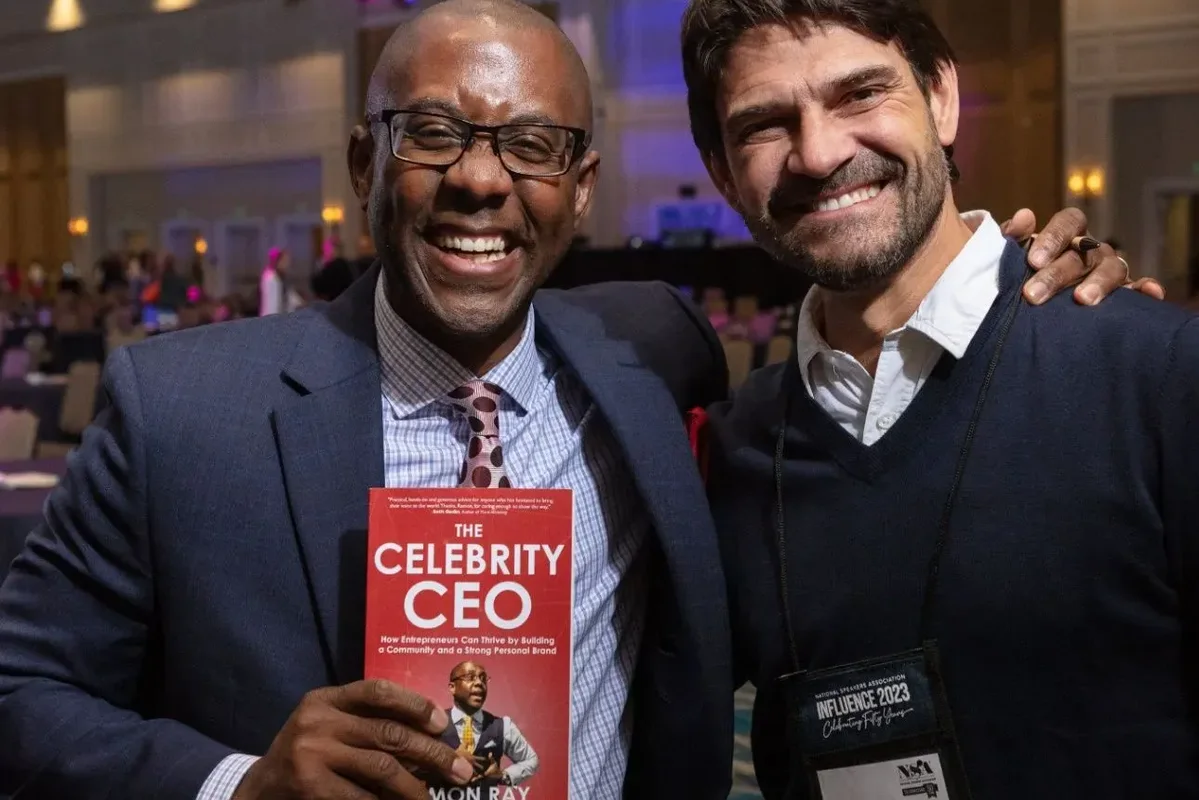
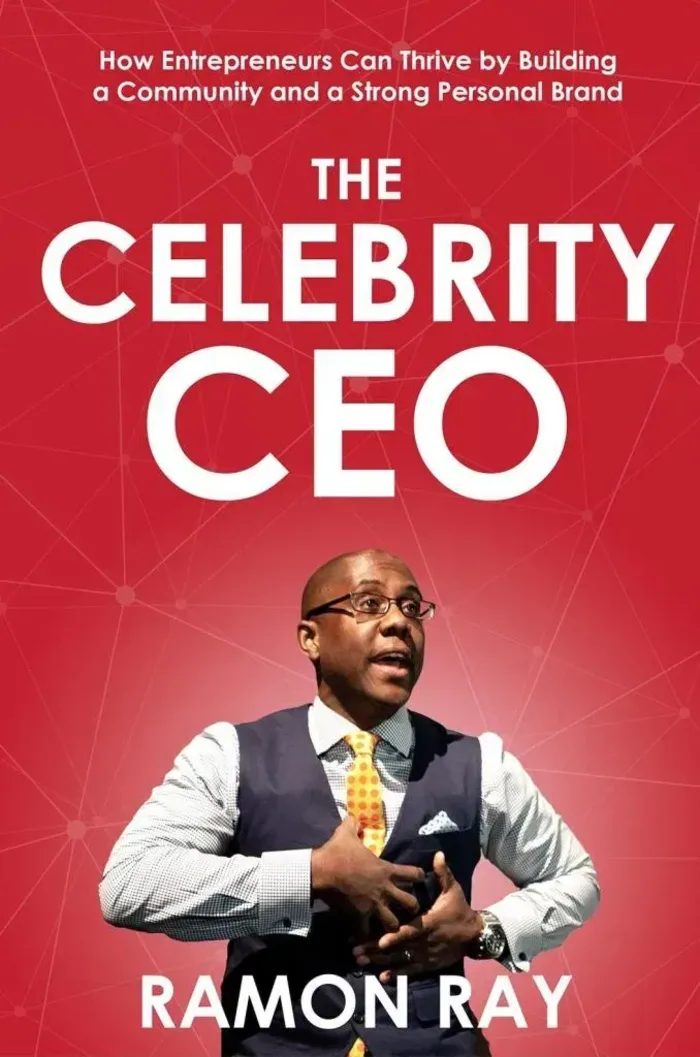
The framework is also at the heart of my book, The Celebrity CEO: How Entrepreneurs Can Thrive by Building a Strong Personal Brand, available on Amazon. Get the book on Amazon
Personal brand vs. corporate brand
A corporate brand represents a company. A personal brand represents a person: their experience, judgment, values, and reputation.
Think about the golden arches. A company brand like McDonald’s is built through decades of work and enormous investment. A person’s brand is built differently: with consistency and courage, one conversation at a time.
That is not a shortcut or a promise of overnight recognition. It is an opportunity for a small business owner to make their expertise and character part of why people choose the business.
Does building your brand mean putting yourself first?
Some business owners hesitate to be visible. They were taught to be seen and not heard, or they worry that talking about their work will come across as bragging.
I understand that feeling. But visibility does not have to mean making everything about you. It can mean sharing what you know so the people who need your help can find you.
If you do not let people know you can help them, you deprive someone of the opportunity to work with you. You can be confident and generous at the same time. Teach, listen, and make a clear invitation when your service fits someone’s needs.
The seven questions to answer before you build anything
Before you redesign your website, start posting everywhere, or invest in a new platform, take time to answer these questions. Set aside 30 minutes this week and write down your answers.
Answer these seven questions
- Who is the specific person or business I most want to help?
- What problem do they want solved, in their own words?
- What do I help them do, achieve, or understand?
- What experience or perspective makes my approach useful and distinct?
- What do I want the right people to remember when they hear my name?
- Where do my ideal customers already spend time, online or in person?
- What is one clear next step someone can take if they want my help?
Your answers do not have to be perfect. They give you a starting point for clearer content, conversations, and offers. Revisit them as you learn more from customers.
Build a brand people can recognize and trust
Start with one useful idea you can share this week. Make it specific to your audience, offer it where they are likely to see it, and keep listening for what they need next.
For more on my experience with personal branding, read “Your Personal Brand Is a Powerful Marketing Tool” on ZoneofGenius.com. Read it on ZoneofGenius.com
Coaching
The Celebrity CEO® Coaching
If you want support putting the work into practice, The Celebrity CEO Coaching is live with me every Thursday at 8pm EST, with a bonus session Tuesdays at 3pm EST. Members get a private online community and guest coaches in sales, book marketing and publishing, AI, and mindset.
It is for growing business coaches, consultants, and experts who want to build their business and personal brand, including growth-minded entrepreneurs crossing $100,000 in revenue or on the way past $500,000.
$449/ month
Free trial. Billed monthly. No contracts. Cancel anytime.
Sign Up Now · $449/month · free trialAbout the author

Ramon Ray
Ramon Ray is an entrepreneur, author, and speaker who helps small business owners build a personal brand so they become the go-to expert in their industry. He is the author of The Celebrity CEO®.