
If you’re working on personal branding on LinkedIn, start with two things: make your profile clear about who you help, then share useful ideas consistently. You don’t need to go viral or post every day. You need the right people to understand what you do, see how you think, and know how to take the next step.
In brief: Update your profile, choose a posting rhythm you can keep, join conversations thoughtfully, and use direct messages to build relationships, not push a pitch.
LinkedIn is already part of many business buyers’ and referral partners’ professional lives. A clear profile and a steady presence can help you become easier to find and remember. That’s a practical way to build on the work of becoming a recognized thought leader, one useful interaction at a time.
Start with a profile that explains your value
Your profile should help a visitor quickly answer three questions:
- Who do you help?
- What problem do you help them solve?
- What should they do next if they want your help?
A professional photo and a simple banner make the profile feel complete. Your headline should go beyond a job title and say who you serve. In your About section, explain the challenges you work on, how you approach them, and what makes your perspective useful. Use natural language your customers might search for, not a string of keywords.
LinkedIn’s profile guidance recommends keeping your information current and using the profile to show your professional experience. The Featured section gives you room to highlight work samples, posts, articles, or other relevant items.
Write a headline that names who you help
A helpful headline has a simple structure:
I help [specific audience] with [specific problem or outcome].
For example: “I help independent retailers improve their email marketing” is clearer than “Founder | Entrepreneur | Marketing Expert.” Be specific enough to help the right person recognize themselves. Keep the promise honest and focused on what you actually do.
Use the About and Featured sections to build confidence
Write your About section in your own voice. Start with the customer’s problem, say how you help, and share a little about your approach. Add a short invitation at the end, such as asking visitors to message you about a particular challenge or visit your website.
Use Featured to show, not just tell. Choose a few pieces that give people a feel for your work: a helpful post, a case example you have permission to share, a useful guide, or a link to your service page. Keep the selection relevant to the work you want to be known for.
Your LinkedIn profile audit
Use this numbered checklist as a quick refresh. Give yourself 20 minutes and make one improvement in each area.
- Photo: Does it look current, clear, and professional?
- Banner: Does it reinforce your work or audience without clutter?
- Headline: Does it say who you help and what you help them do?
- About: Does it explain your value in plain language and include a clear next step?
- Experience: Is it up to date and focused on useful work, not just titles?
- Featured: Have you highlighted a few strong examples or resources?
- Contact path: Can someone easily learn more or reach you?

What should you post on LinkedIn as a service business?
You do not need a new idea every day. Start with the questions clients already ask and the lessons you have learned while doing your work. Useful LinkedIn personal branding tips are often simple: teach clearly, share your point of view, and make your experience relevant to the people you want to serve.
Try these five post types:
- A lesson from a client engagement: Share the general lesson, protect private details, and get permission before sharing anything identifiable.
- A strong opinion: Explain what you believe and why. Make the point with respect, not outrage for attention.
- A practical how-to: Give readers a short process, checklist, or first step they can try.
- A thoughtful question: Ask about a real challenge in your field, then take time to respond to the answers.
- An honest result: Explain what changed, what you contributed, and what you learned. Be precise, and don’t imply that one person’s outcome is guaranteed for everyone.
A sustainable starting point might be two posts a week. If that fits your schedule, keep it up for a month before deciding whether to do more. You can draft ideas in batches, but leave room to respond to what your audience is asking. Consistency beats a short burst of daily posting followed by silence.
The goal is not to perform for an algorithm. It is to show up often enough that the right people can learn what you know and how you think.
Build your next step
Want a simple plan for getting known, earning trust, and growing your business?
Download Free Blueprint
Turn profile views into conversations
A profile visit is a chance to make a connection, not a reason to rush into a pitch. Look at what the person shares publicly. If there is a genuine reason to connect, send a brief note that explains it. For example, mention a specific post you appreciated or a shared professional interest, then ask a relevant question.
When someone responds to your post, respond back. A useful reply can acknowledge their point, add a helpful thought, or ask a genuine follow-up question. You can also grow your presence by commenting on posts from people in your field. Say something specific about the post and contribute an idea of your own. A thoughtful comment is more memorable than a generic “Great post.”
If a conversation develops, suggest a next step only when it makes sense. Be clear and respectful, and give the other person room to decline. For more ideas on how to sell without sounding like a salesperson, focus on understanding what someone needs before deciding whether your offer fits.
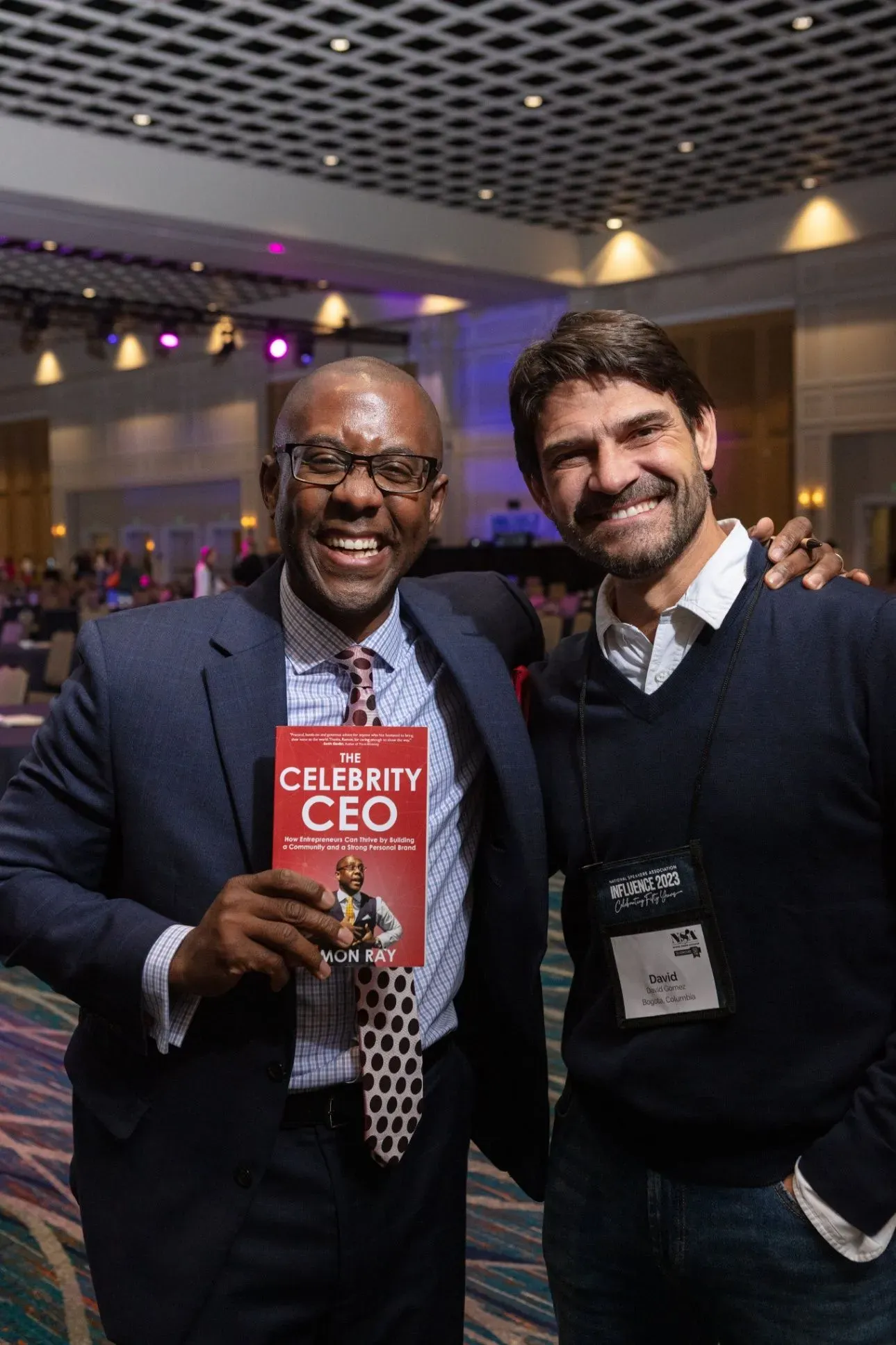
This is how to use LinkedIn to build your brand without turning every interaction into a sales attempt. The Attention, Trust, Sales approach in The Celebrity CEO™: How Entrepreneurs Can Thrive by Building a Strong Personal Brand starts with helping people notice you, continues by giving them reasons to trust you, and makes a relevant next step clear.

What should you avoid on LinkedIn?
A recognizable personal brand is built on trust. Avoid tactics that make people question whether your presence is genuine.
- Engagement pods: Don’t coordinate empty likes or comments just to make a post look popular. Focus on conversations that are relevant to your work.
- Reposting without credit: If you share someone else’s idea, name the original creator and add your own perspective.
- Fake stories or exaggerated results: Share real experiences, and be clear about what you know versus what you assume.
- Pitching in the first message: Start with context and a human conversation. Don’t treat a new connection like an immediate sales lead.
Your brand is not about being famous. It is about becoming a trusted, recognizable name in your niche. Ramon Ray, author of The Celebrity CEO™: How Entrepreneurs Can Thrive by Building a Strong Personal Brand, keynote speaker, Publisher of ZoneofGenius.com, and contributor to Entrepreneur, Inc. and Forbes, teaches that trust grows through steady, useful interactions. A strong LinkedIn presence can be one place to put that belief into practice.
LinkedIn personal branding FAQ
How often should I post on LinkedIn?
Start with a pace you can sustain, such as two useful posts a week. Review how it feels after a month. A consistent schedule that leaves time to engage is more valuable than posting often and burning out.
Should I accept every connection request?
No. Use your judgment. Consider whether the person seems relevant to your work or community, and whether their profile appears genuine. You can also follow people whose work interests you without connecting.
Do hashtags matter on LinkedIn?
They can help describe the topic of a post, but they are not a substitute for clear writing or a relevant audience. If you use hashtags, choose a small number that genuinely fit. Don’t add a long list to every post.
Your next step: make one clear improvement
You don’t have to rebuild your whole presence today. Update your headline, draft one helpful post, or leave a thoughtful comment on someone else’s work. Then keep showing up. A steady, authentic presence gives people more chances to understand your expertise and remember you when they need help.
If you’d like support putting your brand into action, explore The Celebrity CEO® Coaching. It includes a free trial and a community where entrepreneurs can work through real business and personal-branding questions.