
The quick answer: To get media coverage for your small business, offer the right journalist or host a timely, specific story that matters to their audience. Start with local press, trade publications, and industry podcasts. Make it easy to understand why you are the right person to talk to, and respond quickly if they reach out.
If you have good work to share but still feel invisible, you may be wondering how to get media coverage for your small business. Publicity can help the right people discover you, but it does not come from sending the same announcement to everyone. It starts with a story worth telling.
Media coverage is borrowed trust. When a journalist, podcast host, or conference puts you in front of their audience, some of the credibility they have built carries over to you. That can help people take a closer look, but it is not a substitute for doing useful work and building trust over time.
Why do small businesses get overlooked by the media?
Often, the problem is not that your business has nothing interesting to say. It is that you do not yet have a system for showing the right people why your story matters.
A journalist or producer needs a clear angle, a point of view, and someone who can answer questions promptly. A general message like “We are a great local business” gives them little to work with. A specific story gives them a reason to consider you.
Ask yourself:
- What is changing in my industry or community?
- What do my customers need to understand right now?
- What have I seen firsthand that others might not?
- Can I explain my point of view in a clear, useful way?
Your answers can become the foundation for thought leadership. For help shaping the ideas you want to be known for, read thought leadership.
Where should you look for publicity for entrepreneurs?
You do not have to start with a national television show or a major publication. Local press, trade publications, and industry podcasts are often more reachable, and they may speak directly to the customers and peers you want to reach.
Consider outlets that serve:
- Your community: Local newspapers, radio, business journals, community newsletters, and regional websites.
- Your industry: Trade magazines, industry newsletters, and publications covering the challenges your customers face.
- Your audience’s interests: Podcasts and shows your ideal customers already follow.
Start by reading or listening before you pitch. Notice the topics each outlet covers, who its audience is, and whether your idea fits. Look at recent stories and identify the journalist, editor, or producer who handles that subject.
Earn your own media list
Build a focused list of people and outlets you have researched, rather than buying or guessing at a giant list of contacts. A spreadsheet is enough. Track:
- Outlet and contact name
- Their role or topic area
- A recent story or episode relevant to your idea
- Why your story fits their audience
- Your pitch date and any follow-up
The “why this story fits” note matters most. If you cannot explain the fit, do more research before reaching out. Keep your list current, too. Journalists change roles, and outlets change their focus.

How do you write a pitch that gets opened?
A good pitch is short, relevant, and easy to act on. It does not need grand claims. It needs a clear reason for the recipient to keep reading.
Try this structure:
- Write a specific subject line. Describe the story, not just your business name.
- Show why you chose them. Refer briefly to the beat they cover or a relevant piece they published.
- State the idea and why it matters now. Connect it to a timely issue, customer concern, seasonal moment, or local change.
- Explain what you can contribute. Offer an informed perspective, interview, useful example, or access to someone relevant.
- Make the next step simple. Share your availability and a direct way to reach you.
For example:
Subject: A local business owner’s perspective on rising repair costs
Hi [Name], I read your recent piece about [relevant topic]. I own [business type] in [area], and customers are asking how [specific change] will affect them. I can explain what I’m seeing firsthand and share practical steps customers can take. I’m available for a short interview this week. Would this be useful for your coverage?
Personalize the message, keep it concise, and avoid attaching a long press release unless someone asks for one. If you do not hear back, a polite follow-up is reasonable. Then move on. A pitch is an invitation, not a demand.
For more guidance on pitching, see PR Daily’s advice on pitching journalists.
Your first media outreach this month
A simple checklist to turn the idea into action
- Choose one story or customer question you can speak about clearly.
- Find five local, trade, or podcast contacts who cover related topics.
- Read or listen to recent work from each contact.
- Write a short, personalized pitch for the best-fit contact.
- Send it, note the date, and follow up politely if appropriate.
How can you be a good guest?
Being a good guest means helping the host create a useful conversation for listeners. Before the interview, learn the show’s style and audience. Prepare a few practical points, a concise introduction, and examples that make your advice easier to understand.
During the conversation:
- Answer the question before adding extra context.
- Use plain language and specific examples.
- Share useful insight without turning every answer into a sales pitch.
- Respect the host’s time and follow their lead.
- Be ready to respond promptly to scheduling and preparation requests.
If you are building your own audio presence, starting a podcast can also help you practice communicating your ideas and understand what makes an interview valuable from the host’s side.
What should you do after you get coverage?
First, thank the journalist or host and share the coverage with your audience. Link to the original piece rather than posting only a screenshot. You can also:
- Add a press or media section to your website.
- Share a useful quote or takeaway in your newsletter.
- Turn the conversation into a social post or follow-up article.
- Tell customers and partners who may find it relevant.
- Note which topics and outlets brought the right people into your orbit.
Coverage is one step in a longer relationship with your audience. Use it to keep helping people, not just to announce that you were featured. Consistent, useful presence builds more trust than hoping one appearance will do all the work.

Build your Attention, Trust, Sales roadmap
Get a practical starting point for making your expertise more visible and building a personal brand people can trust.
Frequently asked questions
Do I need a publicist to get media coverage?
No. You can begin by identifying relevant outlets, building your own media list, and sending thoughtful, targeted pitches. A publicist may be useful if you need ongoing outreach support, but it is not a requirement for getting started.
How do I get quoted as an expert?
Make your expertise easy to understand. Choose a clear area you can speak about, share useful insights consistently, and let relevant journalists or producers know you are available to comment. Be specific about what you can help explain, and respond quickly when an opportunity comes.
What makes a good pitch?
A good pitch is relevant to the outlet’s audience, specific about the story, and clear about why you are a useful source. Keep it concise, personalize it, and make it easy for the journalist or host to take the next step. Do not promise results or assume every pitch will lead to coverage.
Start with one story and one right-fit outlet
You do not need to chase fame. You want the right people to recognize your expertise and trust what you have to say. That is the heart of personal branding and of the Attention, Trust, Sales approach.
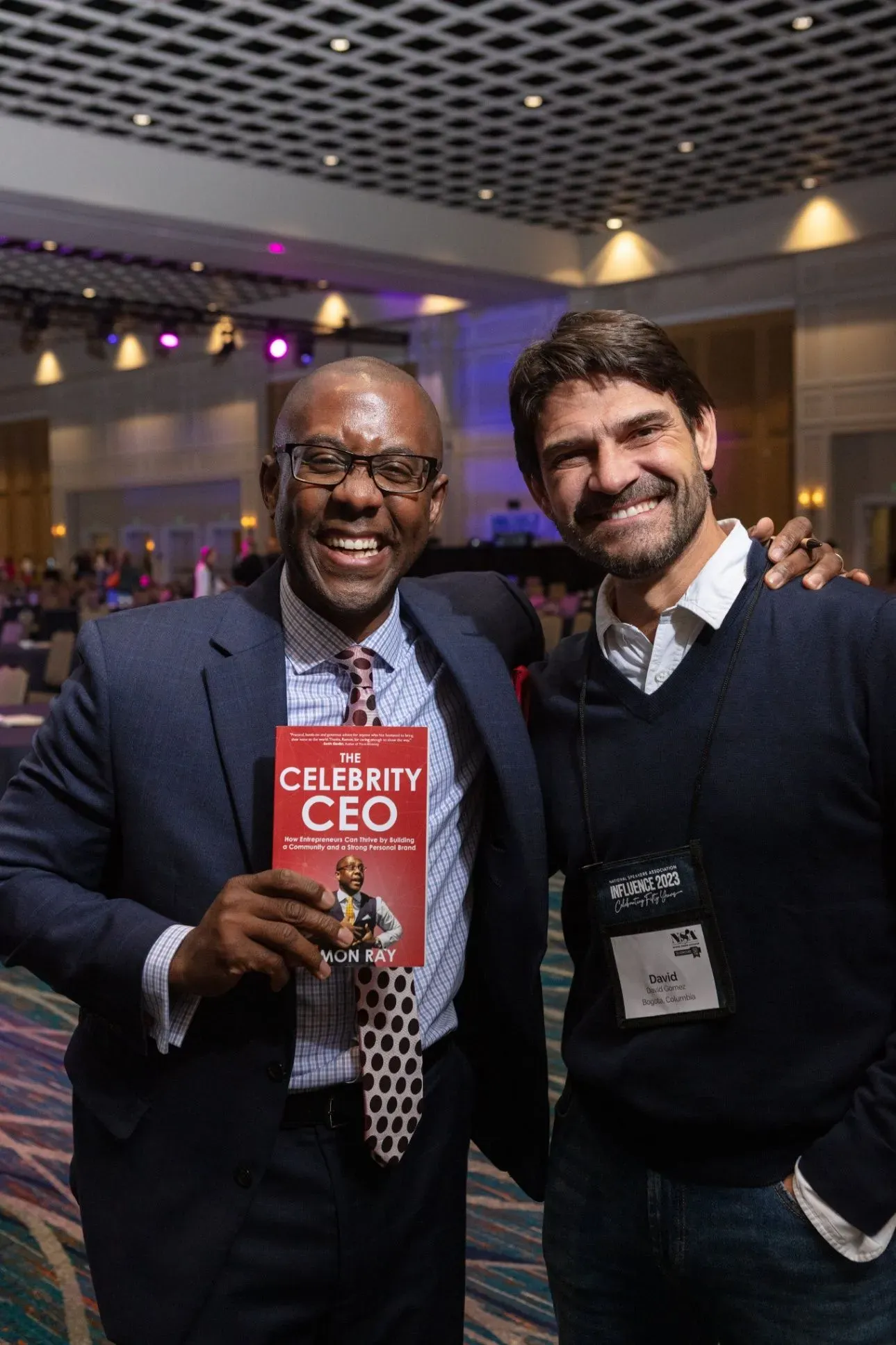
Ramon Ray, author of The Celebrity CEO: How Entrepreneurs Can Thrive by Building a Strong Personal Brand, is a keynote speaker, Publisher of ZoneofGenius.com, and contributor to Entrepreneur, Inc., and Forbes. His work centers on helping entrepreneurs become the go-to expert in their niche.
This week, choose one timely story, find one outlet that covers it, and send a thoughtful pitch. If you would like support putting your personal brand into practice, explore The Celebrity CEO® Coaching, which offers a free trial.