
You know your work can help people. But if the right customers rarely hear from you, your expertise can stay invisible. Learning how to become a thought leader is not about becoming famous or chasing viral attention. It is about sharing useful ideas consistently so the people you want to serve recognize and remember you.
In a nutshell:
- Choose a focused topic and a point of view you can stand behind.
- Publish useful ideas where your customers already pay attention.
- Build visibility through your own channels and other people’s platforms.
- Keep showing up. Trust grows through repeated, valuable interactions.
If you are still clarifying what a personal brand actually is, start there. Thought leadership is one way to help people understand what you know, what you believe, and how you can help.
What does it mean to become a thought leader?
A thought leader is someone people look to for informed ideas and perspective in a particular area. You do not need a large audience or a grand title. You need a clear point of view, experience you can draw on, and a willingness to share what you know.
For a small business owner, thought leadership is practical. It helps the right people understand your expertise before they hire you, refer you, or recommend you to someone else.
That makes thought leadership marketing more than publishing for the sake of being visible. It connects your ideas to the people who may need your work. Attention is the starting point: become as well known as possible to your ideal customers. You do not need millions of views. You need to be relevant and memorable to the people who matter to your business.
Expertise and visibility are different. You need both.
You may be excellent at your work and still be hard to find. Expertise is what you know and can do. Visibility is whether the people who need that expertise have a chance to notice it.
Neither one is enough on its own:
- Expertise without visibility can leave your best insights unheard.
- Visibility without expertise may attract attention, but it does not give people a reason to trust you.
- Expertise with consistent visibility gives people a chance to learn how you think and decide whether your approach fits their needs.
Your goal is not to perform expertise. It is to make your real expertise visible. Teach something useful. Explain how you approach a problem. Share a lesson from your work without exposing private customer details.

Get the fundamentals right before you publish everywhere
Before you start posting daily, get clear on the basics. If you are still working through those decisions, read how to build a personal brand step by step. The clearer your foundation, the easier it is to create ideas that attract the right attention.
Answer these questions:
- Who do you want to reach? Describe the person or business you are best equipped to help.
- What problem do they want to solve? Use the words customers use, not just industry language.
- What do you believe about solving it? Name an approach, assumption, or common mistake you want to challenge.
- Where do they already pay attention? Consider the LinkedIn conversations, podcasts, publications, newsletters, and events they already follow.
You do not need to own every topic in your industry. Aim for niche mastery: become known for helping a specific audience with a meaningful problem. A focused reputation is easier to build than a broad, vague one.
How do you share a point of view consistently?
Start with questions your customers ask, then answer them in your own voice. A point of view does not have to be provocative. It should be specific enough to show how you think and useful enough to help someone take a next step.
For example, instead of saying “Good customer service matters,” explain one decision a business can make to improve a customer’s experience, why it works, and what to watch out for.
Choose a manageable publishing rhythm. One thoughtful LinkedIn post each week may be more useful than a burst of daily posts followed by a long silence. You can also expand a post into an article, newsletter, short video, or talk.
The five pillars of a strong personal brand can help keep your ideas grounded:
- Authentic content: Share useful lessons from your experience.
- Engaging community: Reply, listen, and join relevant conversations.
- Expert positioning: Make your knowledge and the problems you solve clear.
- Niche mastery: Focus on the audience and topic where you can offer distinctive value.
- Consistent presence: Choose a rhythm you can sustain.
Consistency beats overnight virality. Each useful contribution gives people another reason to remember you, and helps build a community of people who believe in your work, not just customers who buy once.
A simple thought-leadership plan for this week
Your five-step visibility checklist
- Write down one question customers ask you often.
- Add your point of view: What do you believe that helps answer it?
- Share one practical example or action step.
- Publish it on the channel your customers use, such as LinkedIn.
- Respond to comments and questions, then note what people want to know next.
Keep the idea focused. You are not trying to impress everyone. You are helping the right people understand how you can help.
Get the free Celebrity CEO Blueprint
Want a practical way to plan your next steps? The free Celebrity CEO Blueprint helps you map how to earn attention, build trust, and create a clear path to sales.
How can you get quoted, interviewed, or published?
Your own channels give you a place to share your ideas. Being featured in media, on podcasts, or in guest articles can help you reach people who do not know you yet. Start with relevant audiences, not the biggest names.
Try these practical steps:
- Make a short list of outlets your customers follow. Include podcasts, industry newsletters, trade publications, and local business media.
- Study what they publish. Listen to a recent episode or read a few articles. Notice the topics and format.
- Prepare two or three specific ideas. “I can talk about marketing” is broad. “Three ways independent consultants can make a service easier to understand” gives a host or editor a clearer direction.
- Send a brief, personal pitch. Explain why the idea fits their audience, what you can contribute, and where they can learn more about you.
- Make it easy to evaluate you. Have a short bio, clear headshot, relevant links, and a few sample posts or articles ready.
- Follow up courteously. If you do not hear back, a brief follow-up is reasonable. Keep pitching relevant opportunities without treating a rejection as a verdict on your expertise.
When you are quoted, interviewed, or published, share the piece with your own community and thank the host or editor. Keep a simple record of your appearances and articles. Over time, those examples can help demonstrate your experience to future hosts, editors, and customers.
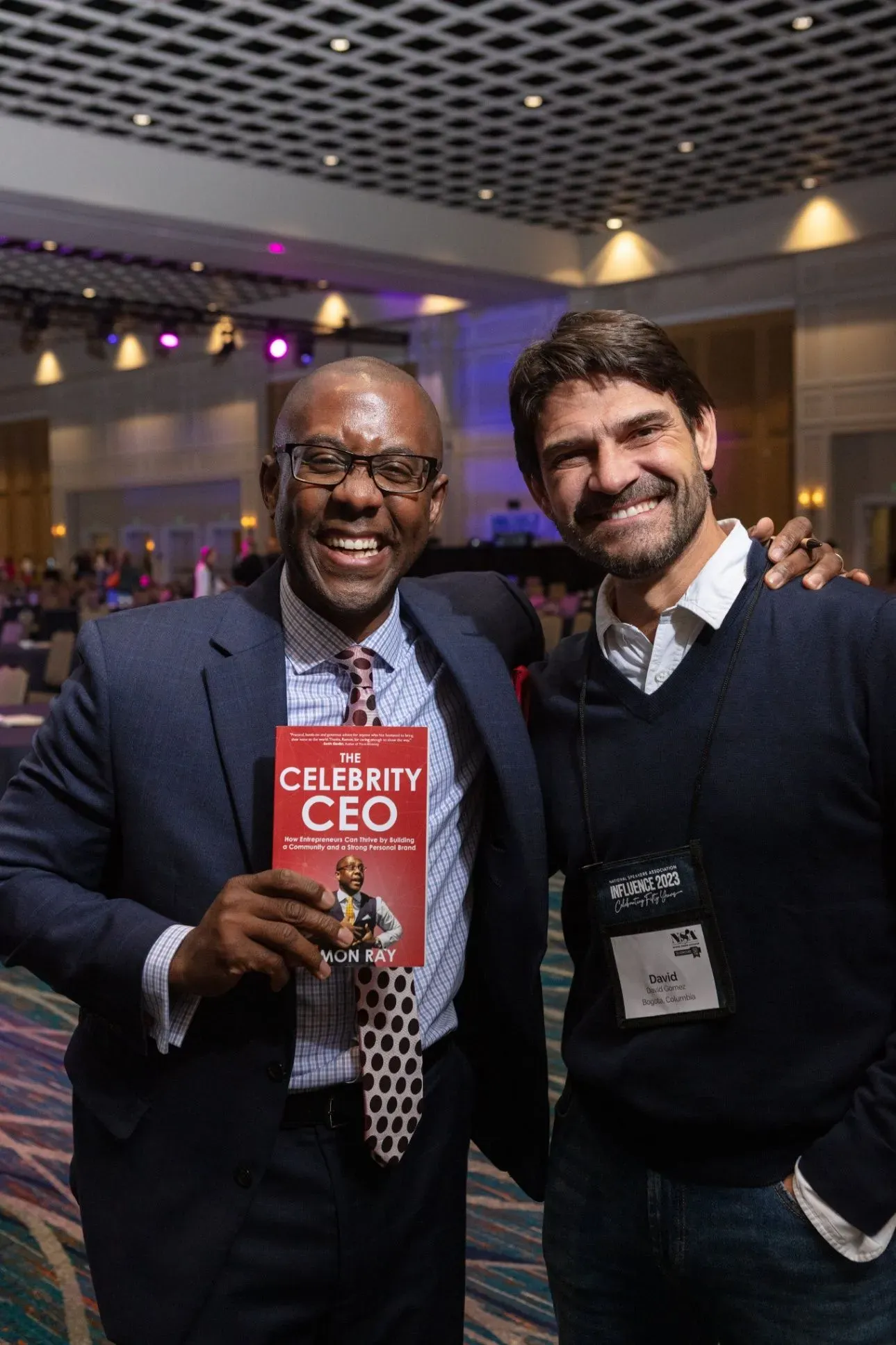
Ramon Ray, author of The Celebrity CEO: How Entrepreneurs Can Thrive by Building a Strong Personal Brand, is a keynote speaker, Publisher of ZoneofGenius.com, and contributor to Entrepreneur, Inc., and Forbes. His work reflects an important principle: visibility grows from putting useful expertise in front of the right people.

Frequently asked questions
How long does it take to become a thought leader?
There is no fixed timetable. It depends on your audience, your topic, your publishing rhythm, and the opportunities you pursue. Focus on steady progress: keep sharing useful ideas and look for signs that the right people are remembering and responding to them.
Do you need a big following to be a thought leader?
No. A smaller audience of people who care about your expertise can be more relevant to your business than a large, general audience. Aim to be known by the people who need what you offer.
Is thought leadership the same as content marketing?
They overlap, but they are not exactly the same. Content marketing uses helpful content to support business goals. Thought leadership adds a distinctive point of view based on your knowledge and experience. Strong content can do both.
Keep showing up for the people you want to help
You do not have to be everywhere to become a go-to expert. Start with a clear audience, a useful point of view, and one channel your customers already use. Share something helpful this week, listen to the response, and keep going.
If you want support putting your personal brand into practice, explore The Celebrity CEO Coaching. It includes a free trial and a community of entrepreneurs working on their businesses and brands.