
The Celebrity CEO articles series · #6 · Attention · Trust · Podcasting · Content
If you’re wondering how to start a podcast for your business, begin with a clear audience, a useful point of view, and a format you can sustain. You don’t need a fancy studio or a huge audience. A podcast can help the right people discover how you think, hear your expertise, and get to know you over time.
In a nutshell: Choose a focused topic, make recording simple, publish on a steady schedule, and turn each episode into more useful content. Your goal isn’t to chase download numbers. It’s to build attention and trust with people you want to serve.
Why does podcasting work for personal branding?
A podcast gives you a reason to talk with people you might not otherwise reach. A thoughtful conversation can introduce you to a potential customer, referral partner, or respected voice in your field. And every episode becomes a lasting example of how you think and what you know.
That makes podcasting a natural fit for personal branding. You’re not trying to become famous. You’re making it easier for the people who need your expertise to discover and remember you.
A podcast can also help you build toward becoming a thought leader in your field. Start by sharing practical ideas and asking good questions. Over time, your growing library of conversations can show your audience what you stand for and how you help.
The most effective show is not necessarily the most elaborate. It’s one that serves a clear audience and fits into your real business life.
Choose a podcast format you can keep up
Your format shapes the time and effort each episode requires. Pick the one you can repeat, even during a busy month.
- Solo episodes: Share advice, answer common customer questions, or explain how you approach a problem. This is a direct way to demonstrate your expertise.
- Guest interviews: Have focused conversations with customers, industry peers, or other people your audience can learn from. A guest can bring a valuable perspective, but the episode should still serve your listeners.
- Short episodes: Offer a brief lesson, answer one question, or share a useful observation. Shorter episodes can be easier to plan and produce.
- A mix: Alternate formats to keep your schedule and subject matter fresh. For example, record an interview one week and a solo answer to a listener question the next.
You don’t have to commit to one format forever. Try a small first season, see what you enjoy making, and listen for feedback from the people you want to reach.

Name and position your show for the right people
A listener should be able to tell quickly who your podcast is for and what it will help them understand or do.
Start by finishing this sentence:
This podcast helps [specific audience] with [specific problem or goal] through [your approach or point of view].
For example: “This podcast helps independent consultants price their services with confidence through practical conversations about value and sales.”
Use your answer to shape your title, description, and episode ideas. Choose a name that’s clear, easy to say, and easy to spell. Check that it isn’t confusingly similar to another show. Keep the artwork simple enough to read as a small thumbnail.
Before you invest time in a launch, list ten episode ideas. If the list is difficult to write, narrow your topic or focus on a more specific audience need.
What equipment do you need to start?
Keep your first setup simple. You can begin with:
- A quiet room with soft furnishings to reduce echo.
- A computer or smartphone.
- A basic USB microphone, or the best microphone you already have.
- Headphones to monitor your sound and avoid audio feedback.
- Recording and editing software that you find straightforward.
You don’t need to buy everything before you make your first episode. Test your setup, listen back, and improve one thing at a time. If you record remote interviews, use a platform designed to capture each person’s audio clearly, and ask guests to join from a quiet space.
For more practical guidance, Spotify for Creators’ podcast guide walks through planning, recording, and publishing a show.
Give every episode a repeatable structure
A simple structure makes it easier to prepare and helps listeners know what to expect. Try this outline:
- Open with a reason to listen. Name the question or problem the episode will address.
- Set the context. Explain who the conversation is for and why the subject matters.
- Share the useful part. Teach, explore a guest’s experience, or answer a specific question.
- Give the listener one next step. Summarize a practical action they can try.
- Close with a clear invitation. Point to a relevant resource, another episode, or one simple way to stay connected.
Keep your introduction brief. Listeners came for the value, not a long explanation of your show. And don’t fill time just to reach a certain episode length. Make the conversation as long as it needs to be, then edit out what doesn’t help.
Invite guests who matter to your audience
The best guest is not always the person with the biggest name. Look for someone who can share a useful experience, answer questions your customers ask, or bring a complementary perspective.
Your guest list might include:
- People who fit the profile of customers you want to serve.
- Connectors who know your industry and community.
- Specialists who can help listeners understand a related challenge.
- Customers willing to share their experience, with their permission and without pressure.
Be specific when you invite someone. Tell them why you thought of them, what you’d like to discuss, and who the conversation is for. Then prepare thoughtful questions, listen closely, and make the episode valuable for the guest as well as your audience.

Turn one episode into more useful content
A podcast can become more than an audio file. With a little planning, one recording can support your presence across several channels.
From each episode, you can create:
- A short video or audio clip featuring one clear idea.
- A written summary or blog post with practical takeaways.
- A newsletter that expands on one useful point.
- A quote or short post that invites discussion.
- A follow-up question for your community.
Don’t simply post the same link everywhere. Adapt the idea to the channel and give people a reason to engage. If a guest shares a strong lesson, for example, make a short clip around that moment and link to the full conversation for people who want more.
This is how podcasting can support the Attention, Trust and Sales system. Your episodes help people find your ideas, get to know your expertise, and understand how they can take the next step with you.
Want a practical plan for building your personal brand? The free Celebrity CEO Blueprint helps you map how to earn attention, build trust, and create a clear path to sales.
Consistency beats a perfect launch
A modest show that ships every week beats a polished one that stops after six episodes. That doesn’t mean you need to publish weekly if you can’t sustain it. It means choosing a schedule you can keep and giving your listeners a rhythm they can count on.
Batch recording can help. Set aside one block of time to record more than one episode, then schedule them to publish. Keep a running list of questions customers ask, stories from your work, and useful lessons you hear in conversations. Those are natural sources for future episodes.
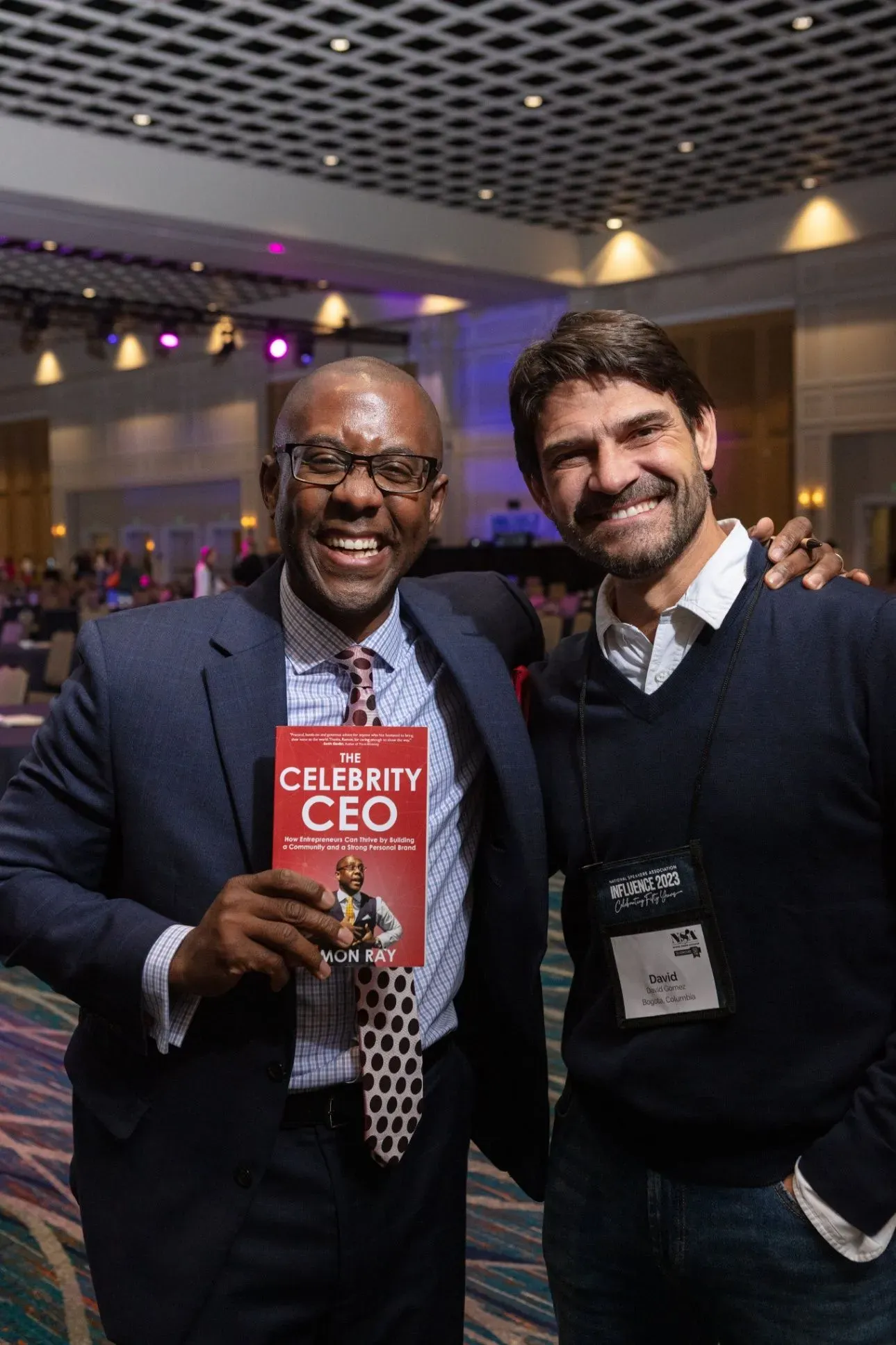
Ramon Ray, author of The Celebrity CEO: How Entrepreneurs Can Thrive by Building a Strong Personal Brand, keynote speaker, Publisher of ZoneofGenius.com, contributor to Entrepreneur, Inc. and Forbes, and host of his own shows, is one example of how a show can create a body of work around a person’s expertise. The lesson is not that every podcast needs to look the same. It’s that steady, useful contributions give people more chances to hear your perspective.
Your first 30 days of podcasting
Week 1: Decide
- Write down who your show is for and what problem it helps with.
- Choose a format and a realistic publishing schedule.
- Brainstorm ten episode ideas and select your first three.
Week 2: Prepare
- Choose a clear, easy-to-say show name.
- Set up your microphone, headphones, and quiet recording space.
- Draft a simple episode outline and invite your first guest, if needed.
Week 3: Record
- Record a short introduction and your first episodes.
- Listen back, note one improvement, and make the next recording.
Week 4: Publish and share
- Choose a podcast hosting service and follow its instructions to publish and distribute your show.
- Share one useful clip or takeaway from each episode.
- Ask listeners what they’d like you to cover next.
Podcasting FAQs
How much does it cost to start a podcast?
You can start with equipment you already own and keep expenses low. A basic microphone is a useful upgrade, but you don’t need a studio or costly gear to record your first episodes. Decide what to invest in after you’ve tested your format and workflow.
How long should an episode be?
Long enough to deliver the promised value, but no longer. A focused answer might take a few minutes. An interview may need more time. Plan around the subject and the listener, rather than stretching an episode to hit a target.
Do I need a podcast to build a personal brand?
No. A podcast is one way to share your ideas and build relationships, not a requirement. Choose the channel that suits your strengths and where your audience is. You can build a strong personal brand through writing, speaking, video, community, or other consistent ways of showing up.
Start with one useful conversation
You don’t need a perfect plan to begin. Choose a question your ideal customer cares about, record a useful answer, and share it with the people you want to serve. Then keep learning and publishing at a pace you can maintain.
If you’d like support putting your personal brand into practice, explore The Celebrity CEO Coaching. You can start with a free trial and see whether the coaching and community are right for you.