
In a nutshell: Marketing yourself is not bragging when you make it about the people you can help. Explain your value clearly, share useful proof, and invite people to take a next step without pressure. Then follow up with care.
If you were taught to be seen and not heard, talking about your business may feel uncomfortable. You might worry that describing your expertise sounds boastful, or that making an offer will make someone think you’re pushy.
But people can’t choose to work with you if they don’t know what you do.
Learning how to market yourself is not about becoming famous or making every conversation about you. It’s about helping the right people understand how you can help them. That’s where attention, trust and sales come in: sales is the natural by-product of attention and trust, not a substitute for them.
How to market yourself without bragging
Shift the focus from “Look how great I am” to “Here’s who I help, and here’s how.” Be specific about the problem you solve, share relevant examples, and make it easy for someone to take the next step.
You don’t need to oversell or apologize for your expertise. Your job is to give people enough clear, honest information to decide whether your help is right for them.
Describe what you do in one sentence
When someone asks what you do, you don’t need a long pitch. Try this simple structure:
I help [specific people] with [specific problem] so they can [useful outcome].
For example:
I help independent consultants clarify their offers so potential clients understand what to hire them for.
Or:
I help busy homeowners keep their yards healthy with seasonal garden care.
Use words your customers would use. Avoid vague phrases like “full-service solutions” or “unparalleled expertise” if a plain description would be clearer.
Then pause. Give the other person room to respond. You could ask, “Is that something you’re working on?” or “What’s the biggest challenge you’re facing with that right now?”
That makes your introduction the start of a conversation, not a monologue.

Make a clear offer without sounding pushy
A clear ask is not pressure. Pressure means ignoring someone’s needs or pushing after they’ve said no. A helpful invitation gives someone a choice and explains what happens next.
Try:
- “Would it be useful if I sent you a few details?”
- “If you want to explore this, we could book a short call.”
- “I have room for a project like this next month. Would you like to hear what working together involves?”
Keep your invitation connected to what the person has told you. If they aren’t interested, thank them and move on. That’s enough.
When you’re unsure what makes an offer feel respectful, remember why trust is what closes the deal. A sales conversation works better when people already have a reason to believe you understand them and can help.
Practice permission-based self-promotion
Permission-based self-promotion means sharing your expertise in a way that gives people context and choice. You’re not barging into every conversation with a pitch. You’re making it easier for people who are interested to learn more.
For example, you can:
- Share a practical tip related to a problem your audience faces.
- Explain how you approach a common challenge.
- Ask, “Would it be helpful if I told you how I handle that with clients?”
- Offer a relevant resource before suggesting a service.
On your website and social channels, you don’t need to wait for someone to ask what you sell. People visit because they want to learn something or explore whether you can help. Explain what you offer, who it’s for, and what to do next.

Want a practical starting point? The free Celebrity CEO Blueprint helps you map how to earn attention, build trust, and create a clear path to sales.
Follow up with care, not pressure
Following up is part of being helpful. People get busy, and a quiet inbox doesn’t always mean “no.” A respectful follow-up makes it easy for someone to continue the conversation or let you know the timing isn’t right.
After a conversation, send a short note that includes:
- A thank-you.
- A detail that shows you listened.
- The next step you discussed, if there was one.
- A simple question about whether they’d like to proceed.
For instance: “Thanks for talking through your website plans with me. I’m happy to send the outline we discussed. Would you like me to send it over?”
If they don’t reply, you can check in once with a useful reminder or a no-pressure question. If you still hear nothing, leave the door open and stop nudging. Your consistent, useful presence over time matters more than chasing one response.
Ask for referrals and testimonials naturally
The best time to ask for a testimonial is after someone has shared positive feedback or you’ve completed a piece of work they’re happy with. Be specific, keep it easy, and ask permission before sharing their words.
You might say:
“I’m glad the project was useful. Would you be comfortable sharing a few sentences about what was helpful? I can send some prompts, and you can approve the final quote before I use it.”
Prompts can make the request easier:
- What were you trying to solve before we worked together?
- What did you find helpful about the process?
- What would you tell someone considering this service?
For referrals, describe the kind of person you can help rather than asking someone to “send anyone.” Try: “If you know another shop owner who’s struggling to keep up with bookkeeping, I’d be happy to talk with them. No pressure.”
A warm introduction is an offer, not an obligation. Let your client decide whether they know someone who might benefit.

Make the next step obvious
If someone is interested, don’t make them hunt for what to do. On your website, give your offer a clear description and a visible next step, such as booking a call, requesting a quote, visiting your store, or signing up for your email list.
Use plain language. Instead of a vague button like “Learn more,” try “Book a consultation” or “Request a project estimate” when that’s what the visitor can actually do.
In conversation, be just as clear. Tell people what happens after they say yes. “We’ll have a 20-minute call, I’ll learn more about your needs, and then I’ll send a proposal” is easier to act on than “Let’s connect sometime.”
Clarity makes it easier to say yes, ask a question, or decide it isn’t a fit.
Your self-promotion checklist for this week
Choose one or two actions and do them this week. You don’t need to overhaul your whole marketing plan.
A clear, helpful way to market yourself
- Write a one-sentence description of who you help and what you help them do.
- Update one place where customers meet your business, such as your website bio or social profile.
- Share one useful tip or answer to a question customers often ask.
- Invite one interested person to take a specific next step.
- Follow up with someone you’ve already spoken to, with a relevant and low-pressure note.
- Ask a happy customer for a testimonial or a referral, and make the request optional.
Frequently asked questions
How do you market yourself without being pushy?
Explain who you help, what problem you solve, and how someone can take the next step. Make relevant offers, listen to the other person, and respect their answer. Useful information and a clear invitation feel different from pressure.
How often should you follow up?
Follow up once if someone goes quiet after a conversation, especially if you agreed on a next step. Keep the message brief and make it easy to respond. If there’s still no reply, stop nudging and leave the door open.
How do you sell a high-priced service?
Start by understanding what the person needs and whether your service is a good fit. Explain your process, what’s included, and what the next step looks like. Answer questions honestly, avoid promises you can’t guarantee, and give the person space to decide.
You can promote your work and stay true to yourself
You don’t have to become louder or more self-congratulatory to be visible. You can market yourself by explaining your work, sharing what you know, and inviting the right people to take a clear next step. Over time, consistent effort helps people recognize what you do and trust you to do it well.
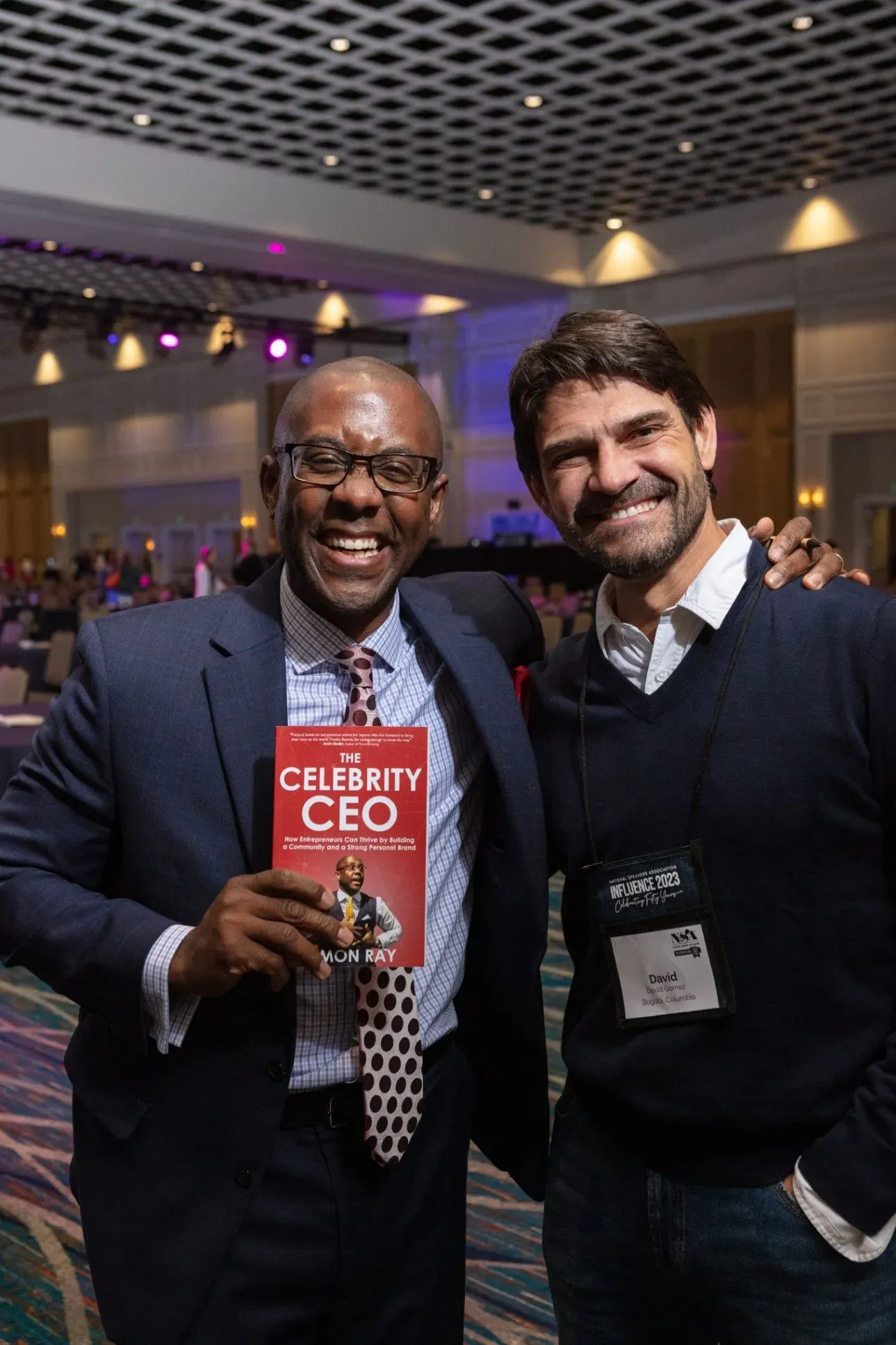
Ramon Ray, author of The Celebrity CEO™: How Entrepreneurs Can Thrive by Building a Strong Personal Brand, is a keynote speaker, Publisher of ZoneofGenius.com, and contributor to Entrepreneur, Inc. and Forbes.
Your next step: Choose one item from the checklist and put it into practice this week. If you’d like support building your personal brand, explore The Celebrity CEO Coaching. You can start with a free trial. It’s billed monthly with no contracts.