In brief: Personal branding helps people recognize your expertise, understand how you work, and feel confident choosing you. Attention may help a buyer find you, but trust gives them a reason to take the next step. You build that trust through small, consistent proofs: showing up, following through, and sharing useful ideas without turning every interaction into a pitch.
If you’re wondering why personal branding is important, consider what a potential customer needs before they hire you. They need to know what you do, believe you can help, and feel comfortable taking a chance on your business. A clear personal brand helps answer those questions before the first conversation.
That’s especially valuable when you’re a small business owner competing with larger or more familiar names. You may offer excellent work, but people cannot choose you if they don’t understand why they should trust you.
Why is personal branding important for a small business?
People don’t only compare products and services. They also look for a person or team they can believe in. Your personal brand makes your experience, values, and approach easier to see.
In the Attention, Trust and Sales sequence, trust is the middle step. It connects being noticed with a buyer feeling ready to act. Read more about the Attention, Trust and Sales framework.
Attention without trust may bring traffic, likes, or new followers. But those numbers don’t automatically lead to meaningful conversations or sales. Trust develops when people see you offer value, keep your promises, and show up consistently.
For a small business, that matters in four practical ways:
- Buyers choose people. Your expertise and character help customers feel more confident about the business behind the offer.
- Referrals travel through relationships. People are more likely to recommend someone they know how to describe and believe will follow through.
- Recognition can shorten the sales cycle. When prospects already understand what you do and how you think, you don’t have to introduce yourself from scratch in every conversation.
- A distinct reputation helps you stand apart. When competitors offer something similar, your perspective, experience, and way of working give people another reason to choose you.
Personal branding is not about becoming famous. It’s about becoming a recognized, trusted name to the people you’re best positioned to serve.
How does trust show up before someone contacts you?
Trust often begins before a prospect fills out your contact form or sends a message. They may have seen your posts, read your website, heard a referral, or watched how you respond to a question in a community.
Across those small moments, people are asking: Does this person understand my problem? Do they explain things clearly? Do they seem consistent? Can I imagine working with them?
Your answers don’t need to be perfect. Your presence needs to make it easier for the right person to understand what you do and why you may be a good fit.
Try these practical habits:
- Teach one useful idea your audience can put to work.
- Explain how you approach a common problem, not just what service you sell.
- Share a specific example from your experience, while respecting client privacy.
- Make your offer and next step easy to find.
- Respond to questions and comments with care.
- Follow through on what you said you would do.
These are small proofs. Repeated over time, they help your audience experience your expertise instead of simply being told about it.

What does a trust-building personal branding strategy include?
A useful personal branding strategy gives you a steady way to communicate what you know and how you help. The five pillars are authentic content, engaging community, expert positioning, niche mastery, and consistent presence.
- Authentic content: Share useful ideas in your own voice. You don’t need to copy someone else’s style or post about everything.
- Engaging community: Listen and respond. Trust grows through conversation, not just broadcasting.
- Expert positioning: Make it clear what problem you help solve and what people can expect from your approach.
- Niche mastery: Focus on a specific audience or area where you can provide real value. Clear positioning helps people understand when to think of you.
- Consistent presence: Choose a rhythm you can sustain. Steady effort compounds; a burst of activity followed by silence is harder for people to remember.
Put simply, learning how to become a go-to expert in your industry starts with being helpful and clear about who you serve. You don’t need to be everywhere. Pick one channel your ideal customers already use and show up there with useful, relevant ideas.
For more practical steps, read how to build a personal brand.
Seven trust signals to check this week
Use this checklist to see whether your online presence is helping prospective customers feel confident. You don’t need to fix everything at once. Choose one signal to strengthen this week.
Seven trust signals to check this week
- Clear focus: Can a visitor quickly tell who you help and what you help them do?
- Useful teaching: Have you shared an idea your audience can use without buying anything?
- Visible expertise: Can people find relevant experience, examples, or a point of view that shows how you think?
- Consistent message: Do your website and social profiles describe your work in a way that makes sense together?
- Signs of real conversation: Do you respond to questions and engage with people in your community?
- Reliable follow-through: Do your actions match the promises you make in your content and sales process?
- A clear next step: Can an interested prospect easily find out how to work with you?
Take five minutes to review your website and one social profile as if you were a new visitor. Note the first point that feels unclear. Improve that one thing before you add another marketing channel.
Get a simple plan for your next step
The free Celebrity CEO Blueprint helps you map how to earn attention, build trust, and create a clear path to sales. Use it to clarify whom you want to serve and what to say next.
Does personal branding replace company branding?
No. Your company brand represents the business, including its products, services, and customer experience. Your personal brand represents you: your expertise, values, perspective, and reputation.
For a small business, the two can support each other. Your company communicates what customers can buy. Your personal brand helps them understand the person behind the promise. Neither replaces doing good work or delivering a reliable experience.
How do you measure trust?
Trust is not one number. Look for practical signs that people are becoming more confident in your work:
- Prospects mention a post, referral, or idea that helped them understand what you do.
- People ask specific questions about working with you.
- Customers return or refer others.
- Your audience engages with useful content, not only promotional posts.
- Sales conversations start with some understanding of your approach.
Use these signals to learn what’s working, not as a reason to chase constant attention. The goal is to build a tribe of people who believe in your work, not just a list of people who might buy once.
What can you do this week?
Choose one way to make your thinking visible. Write a short answer to a question your customers often ask. Share it in a place where they can find it, then respond thoughtfully when people engage.
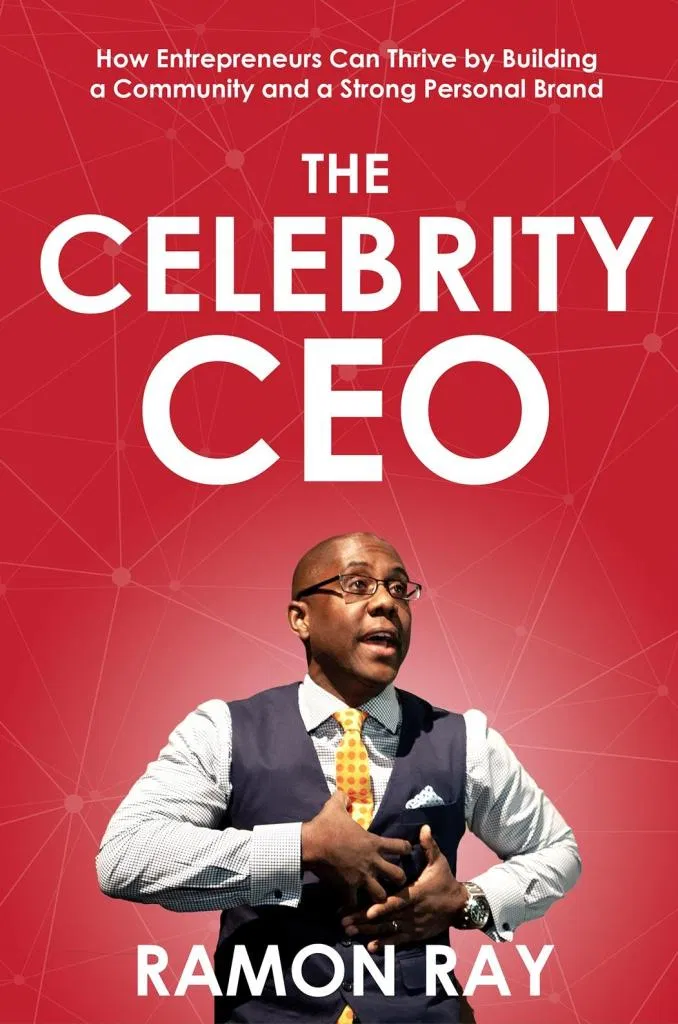
Ramon Ray, author of The Celebrity CEO: How Entrepreneurs Can Thrive by Building a Strong Personal Brand, is a keynote speaker, Publisher of ZoneofGenius.com, and contributor to Entrepreneur, Inc. and Forbes. His message is straightforward: you don’t need to be famous. You need to earn the trust of the people you’re here to help.

If you’d like support putting your personal brand into practice, explore The Celebrity CEO coaching. It offers a community and practical coaching, with a free trial. Start by taking one small step toward being clearer, more helpful, and more consistent this week.