If you feel like your expertise is easy to miss in a crowded market, a book can help people understand what you know and why they should trust you. If you’re wondering how to write a book to build your business, start with this: make it useful to a specific reader, organize it around a method you can explain, and plan how you’ll keep sharing its ideas after publication.
The short version
- A business book can establish your expertise, create speaking opportunities, and give you a helpful reason to reconnect with prospects.
- You have three broad publishing routes: traditional, hybrid, and self-publishing. Each involves different trade-offs in control, cost, and support.
- The book is not the whole marketing plan. Treat it as a long-term trust asset and keep showing up after launch.
A book is not a shortcut to fame, and it cannot promise clients or speaking invitations. But it can help you become the recognized name in your niche. It also makes you clarify your thinking, which can strengthen your message everywhere else.
That matters because, as we explore in why trust drives the decision, people need a reason to believe you can help before they choose to work with you.
What can a business book do for your company?
A useful book gives people a deeper experience of your thinking than a social post or a short introduction can. It lets you explain a problem, share your approach, and help readers take action.
That can support your business in several ways:
- Build authority. A clear, practical book shows that you have put time into understanding a problem and developing a point of view.
- Create speaking opportunities. Event organizers may see a book as a way to understand your expertise and shape a talk around your ideas. It is not a guarantee of invitations, but it gives you a credible platform to pitch from.
- Give people a reason to reach out. Readers may contact you with a question, share a chapter with a colleague, or ask how your approach applies to their situation.
- Become a useful leave-behind. A copy can help a prospect remember your ideas after a meeting, or give a referral partner something meaningful to pass along.
The book is also a way to build trust before you meet. It is not about being famous. It is about helping the right people see how you think, what you know, and whether your approach fits their needs.

How to write a book to build your business
Begin with the reader, not the title. Who are you trying to help? What problem are they trying to solve? What will they be able to understand or do after reading your book?
Then build the book around a method you can teach. A simple structure might look like this:
- Name the problem. Describe what the reader is facing in language they recognize.
- Explain what is getting in the way. Help readers understand why the common approach may not be working.
- Introduce your method. Lay out your core idea or framework in clear steps.
- Show the method in action. Use examples, exercises, questions, or stories from your experience. Be accurate and get permission when you share someone else’s story.
- Help the reader put it to work. End chapters with a practical next step or a tool they can use.
Your book should not simply repeat your website copy. It should give readers enough substance to make progress, while making it clear how your service could help when they need more support.
For more on organizing nonfiction chapters, see this practical guide to structuring a nonfiction book.
Before you write chapter one
- Choose your reader: Who specifically do you want to help?
- Define the change: What should that reader understand or be able to do by the end?
- Write your core promise: In one sentence, what will the book help them learn?
- Name your method: What steps or principles make up your approach?
- Outline the chapters: Give each chapter one clear job in helping the reader move forward.
- Set a realistic writing rhythm: Choose days, times, and milestones you can keep.
- Decide what happens next: What should an interested reader do after finishing the book?
Which publishing route is right for you?
There is no single right path. The best option depends on how much control, support, and responsibility you want.
- Traditional publishing: A publishing house selects and produces the book. You may get editorial and distribution support, but the process is selective, can take a long time, and you generally have less control over decisions such as schedule and packaging. You may need a literary agent, depending on the publisher.
- Hybrid publishing: You pay for publishing services, with the exact package and terms varying by provider. Review the contract carefully. Understand what work is included, who owns the rights, how royalties work, and what marketing support actually means.
- Self-publishing: You make the decisions and manage, or hire help for, editing, design, production, and distribution. This gives you more control, but you are responsible for the quality and the plan for reaching readers.
Do not choose a route based on promises of bestseller status or guaranteed business results. Compare the contract, rights, services, timeline, costs, and distribution details. Ask questions until you understand what you are agreeing to.
How long does publishing a book take?
Plan for months, not a few inspired weekends. The work includes more than drafting: you need to outline, write, revise, edit, design, and prepare the book for publication. Then you need time to build awareness before launch.
Your pace depends on the length of the book, how much material you already have, your schedule, and your publishing route. Traditional publishing can take substantially longer because of selection, editing, and production schedules. Self-publishing may offer more control over timing, but the work of creating a polished book still takes time.
Set a modest, repeatable writing goal. For example, protect two writing sessions each week and set a milestone for each chapter. If you already have useful material in talks, articles, or workshops, you may be able to adapt it. Do not paste it all together and call it done. Rework it into one coherent experience for the reader.
How do you use your book in sales conversations?
A book can make a sales conversation feel more useful when you offer it as a resource, not a substitute for listening. Share the chapter or idea that relates to the prospect’s situation, then ask what they think and what they need.
You can also send a copy before a meeting, offer one after a presentation, or give copies to referral partners who understand the audience you serve. Keep the focus on helping the other person. Your book should open a conversation, not force one.
If visibility makes you uneasy, try this approach to marketing yourself without bragging: teach something useful, explain why it matters, and invite the next step only when it makes sense.

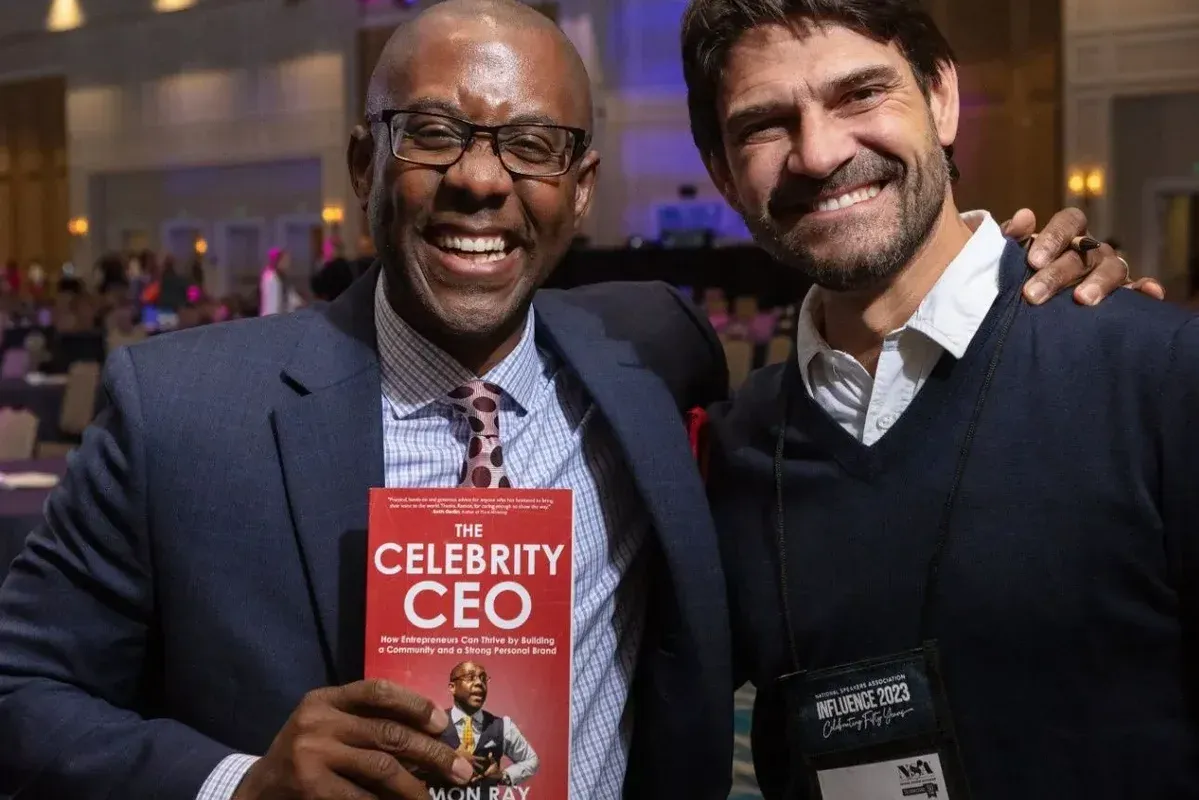
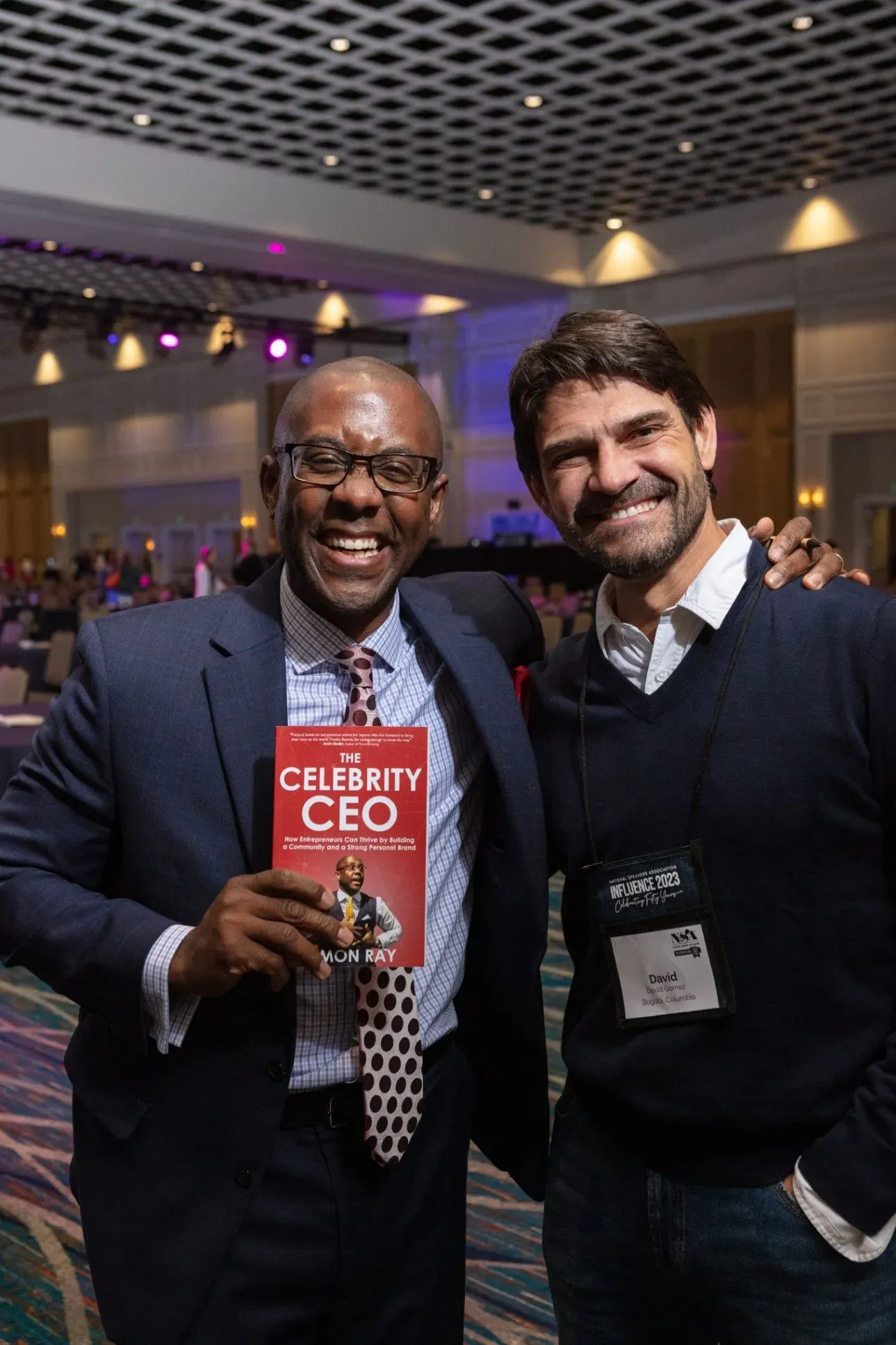
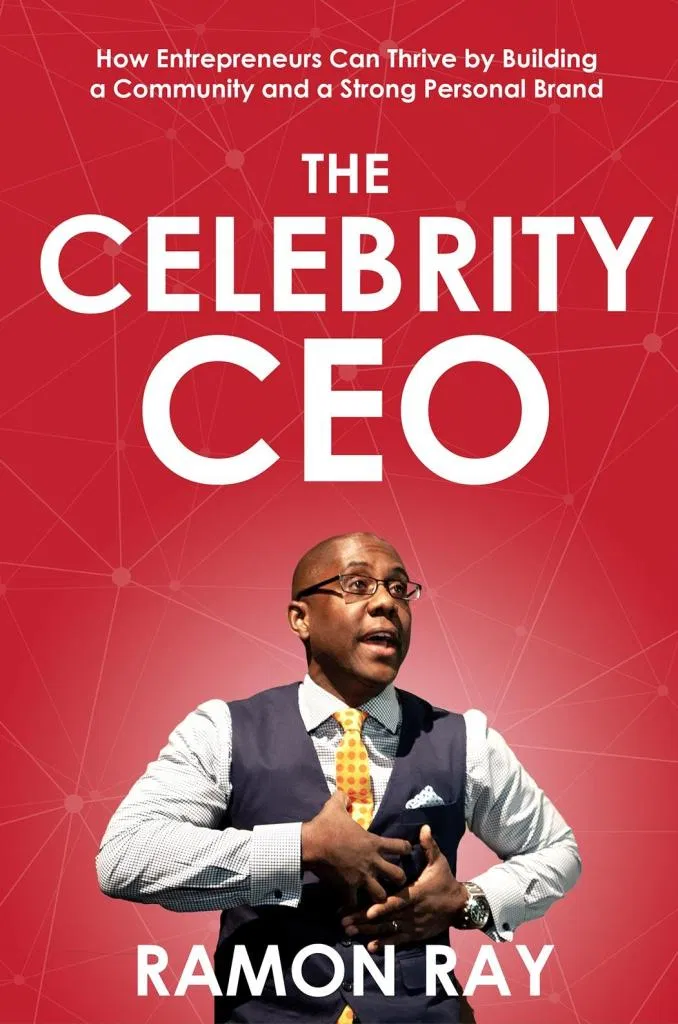
The Celebrity CEO is one real example of a book used to express a business owner’s expertise and personal-brand framework. Ramon Ray is the author of The Celebrity CEO: How Entrepreneurs Can Thrive by Building a Strong Personal Brand, a keynote speaker, Publisher of ZoneofGenius.com, and contributor to Entrepreneur, Inc. and Forbes. The book’s ideas can support conversations and content across his work, rather than living only on a bookshelf.
Put the framework to work
The free Celebrity CEO Blueprint helps you map how to earn attention, build trust, and create a clear path to sales.
What does book marketing look like after launch?
The launch is a beginning, not a finish line. A common mistake is to spend months writing and announcing the book, then go quiet. Readers cannot recommend, discuss, or share ideas they never see again.
Build a steady rhythm around the book’s themes:
- Turn a chapter into a short article, newsletter, video, or talk.
- Share a practical exercise or question from the book.
- Invite readers to a workshop or conversation where you can explore an idea in more depth.
- Keep a copy available for relevant meetings and speaking events.
- Ask readers for honest feedback and permission before sharing their comments publicly.
- Connect each piece of book marketing to a clear next step, such as joining your email list or learning about your services.
This is where consistency matters. You do not need to make every post about your book or chase a viral moment. Share useful ideas regularly, build a community of people who believe in your work, and make it easy for them to stay connected.
Frequently asked questions
Do I need a traditional publisher?
No. Traditional publishing is one option, not a requirement. Choose the route that fits your goals, budget, timeline, and willingness to manage the publishing work. Review any agreement carefully before you commit.
How long should a business book be?
Long enough to help the reader get a meaningful result, but not padded to reach a page count. Let your reader, subject, and method determine the scope. A focused book that delivers on its promise is more useful than a longer one that wanders.
Can a book really bring in clients?
It can help create trust, start conversations, and show prospects how you think. But a book alone does not guarantee clients. People still need to find it, find it relevant, and understand what to do if they want your help.
Start with the reader, then keep showing up
You do not need to have every publishing decision solved before you begin. Start by writing down the reader you want to help, the problem they face, and the method you want to teach. Then sketch a chapter outline and choose your first writing session.
If you want support building your personal brand and putting your ideas into action, explore The Celebrity CEO Coaching. You can start with a free trial.