Feeling invisible in a crowded marketplace? Networking for small business owners can put your experience and personality in front of the people you want to serve. The trick is not to pitch everyone you meet. It is to be useful, listen well, and give people a reason to remember you.
In brief: Choose rooms your customers already attend. Prepare a clear introduction and a few good questions. Focus on genuine conversations, then follow up with something relevant within 48 hours.
That’s personal branding in action. It’s not about fame. It’s about earning attention and trust from the right people, one conversation at a time. That’s the heart of the Attention, Trust and Sales system.
Why networking for small business owners still matters
Online, people can read your posts and learn what you know. In person, they can also experience how you listen, respond, and treat the person standing in front of you. You can’t fake being decent for long.
A good event may put many potential customers, referral partners, and peers in one room. That can make in-person networking one of the quickest ways to build awareness and trust, especially when you show up with curiosity instead of a pitch.
The common mistake is treating a room as a place to collect business cards. A stack of contacts is not the same as a group of people who know, trust, and remember you. Your goal is not to meet everyone. It’s to start a few conversations worth continuing.
How do you choose the right rooms?
Go where your customers go, not only where your competitors go. Depending on your business, promising rooms might include:
- Trade associations and industry conferences
- Chambers of commerce and local business groups
- Workshops, community gatherings, and professional events your customers attend
- Speaking opportunities where you can teach something useful
Before you register, ask: Who is likely to be there? What could I learn or contribute? Is this a room where my expertise is relevant? Check the event description, ask the organizer who attends, or ask a trusted customer or peer for a recommendation.
A room doesn’t need to be full of buyers to be worthwhile. Referral partners, community leaders, and other experts can help you build meaningful relationships. Just be clear about why you’re going and what a useful outcome would look like.
What should you do before you go?
A little preparation can settle your nerves and make it easier to start. Before the event:
- Find out who is attending, if a guest list or attendee profile is available.
- Choose two or three people you’d like to meet. Keep it flexible, not a rigid mission.
- Set one simple goal, such as meeting a potential referral partner or learning what customers are asking about.
- Prepare one clear answer to “What do you do?”
- Bring business cards if you use them, but don’t make handing them out your measure of success.
Try an introduction that tells people who you help and what problem you solve: “I help independent shop owners get more repeat customers through email marketing.” Then pause. Give the other person room to ask a question or share what they do.
If the answer feels hard to get clear, take a few minutes to work through the free Celebrity CEO Blueprint. It helps you clarify who you serve and what to say before your next event.
FREE RESOURCE
Get your one-sentence introduction clear before you walk into the room.
How to start a conversation without a pitch
You don’t need a clever opening line. Start with the moment you’re both in:
- “Have you been to this event before?”
- “What brought you here today?”
- “What kind of people are you hoping to meet?”
- “What are you working on that you’re excited about?”
Then listen to the answer. Follow up with a question that invites a real response: “What’s been the most interesting part of that?” or “What kind of client is a great fit for you?”
If someone mentions a challenge you can help with, don’t leap into a sales speech. Ask a little more. You might say, “I’ve worked on something similar. Would it be useful if I shared an idea?” That gives them a choice and keeps the exchange respectful.
Listening is not a trick to get your turn to talk. It helps you understand the person and notice where you can be genuinely useful. That is how you become memorable in 30 seconds: not by reciting a polished pitch, but by being clear about what you do and attentive to what the other person needs.
What if someone is standing alone?
Approach them. They may be relieved that someone else made the first move.
A simple “Hi, I’m [your name]. Mind if I join you?” is enough. Introduce yourself, ask what brought them there, and let the conversation develop naturally. If they seem busy or prefer to be alone, be gracious and move on.
You can also look for a small, open group. Wait for a pause, make eye contact, and ask if you can join. Avoid interrupting a close conversation. A relaxed entrance and a sincere question will serve you better than trying to force your way into the center of the room.
Be the connector, not the card collector
One of the most generous things you can do at an event is introduce two people who could help each other. If you know a designer looking for a bookkeeper and meet a bookkeeper who serves designers, ask both if they’d like an introduction.
Keep it simple: “You mentioned you’re looking for someone who understands independent retail. I just met someone who works with several local shops. Would you like me to introduce you?”
The introduction doesn’t need to produce a deal. Your job is to make a relevant connection, not to promise an outcome. When you help people meet one another, you show that you’re paying attention to the whole room, not just looking for your next sale.
Events, stages, and the relationships after
A workshop, panel, or conference session gives you a chance to share your expertise with a group. If you enjoy teaching, consider getting speaking engagements at events that reach the people you want to help. A clear, practical talk can help establish you as a go-to expert in your niche, without requiring you to be the loudest person in the room.
That kind of visibility works best when it connects to what you do elsewhere: authentic content, an engaged community, expert positioning, niche mastery, and a consistent presence. A stage can start the conversation. Your steady follow-through helps deepen trust.

What should you do in the 48 hours after an event?
The conversation is the beginning, not the whole relationship. Within the next day or two, send a brief, personal message. Mention something specific you discussed, and do what you said you would do.
For example:
Hi Jordan, it was good meeting you at the chamber event. I enjoyed hearing about your work with local nonprofits. Here’s the article I mentioned about building referral partnerships. I’d be glad to keep in touch.
If you promised an introduction, make it. If you said you’d send a resource, send it. A helpful, specific note is a better way to start following up without feeling pushy than a generic sales message.
Then think beyond the first message. When you find a useful article, event, or introduction that fits something they care about, share it. Try keeping the relationship warm on LinkedIn without turning every interaction into a request.
The difference between collecting contacts and building relationships is simple: contacts are names you store; relationships grow through mutual interest, respect, and follow-through.
What if you’re introverted or hate networking?
You don’t have to work a room like an extrovert. Give yourself a smaller, more manageable plan:
- Arrive with one person you’d like to meet.
- Start with someone standing alone or near the coffee.
- Ask questions and focus on listening.
- Take a short break if you need one.
- Leave after a few meaningful conversations instead of pushing through exhaustion.
A quiet conversation can make a stronger impression than a room full of quick introductions. You can also volunteer or help the event organizer. Having a role gives you a natural reason to talk to people.
Your next networking event in 7 steps
A SIMPLE ROOM PLAN
- Choose the right event: Look for a room your customers, referral partners, or community attend.
- Set one goal: Decide what would make the event worthwhile.
- Prepare your introduction: Say who you help and what you help them do.
- Start with a question: Ask what brought someone there or what they’re working on.
- Listen for a way to help: Don’t turn every answer into a sales opening.
- Connect two people: Make a thoughtful introduction when there’s a good fit.
- Follow up: Send a personal note and deliver on anything you promised.
Frequently asked questions
How do I network if I am shy?
Set a small goal, such as having two genuine conversations. Prepare one opening question and an introduction ahead of time. You can listen, ask thoughtful follow-ups, and take breaks. You don’t have to meet everyone.
What do I say when someone asks what I do?
Give a clear, short answer that names the people you help and the problem you solve. For example: “I help independent consultants explain their services clearly so more of the right clients reach out.” Then ask what the other person does.
Should I pay for networking groups?
It depends on the group, the people it reaches, and what you’ll get from participating. Visit first if you can. Ask about member expectations, event frequency, and whether attendees include the people you hope to meet. Decide based on fit and your budget, not pressure to join.
How do I follow up without being annoying?
Send one personal message that refers to your conversation. Offer something relevant or complete a promise you made. Don’t send repeated generic pitches. Give the other person room to respond.
Take one useful step this week
Choose one event your ideal customers already attend. Write your one-sentence introduction, then set a goal to have two thoughtful conversations. You don’t need to leave with a pile of cards. Aim to leave having helped someone, learned something, and met one person you’d be glad to see again.
If you’d like support building your personal brand alongside other entrepreneurs, explore The Celebrity CEO Coaching. You can use the free trial to see whether the coaching and community are right for you.
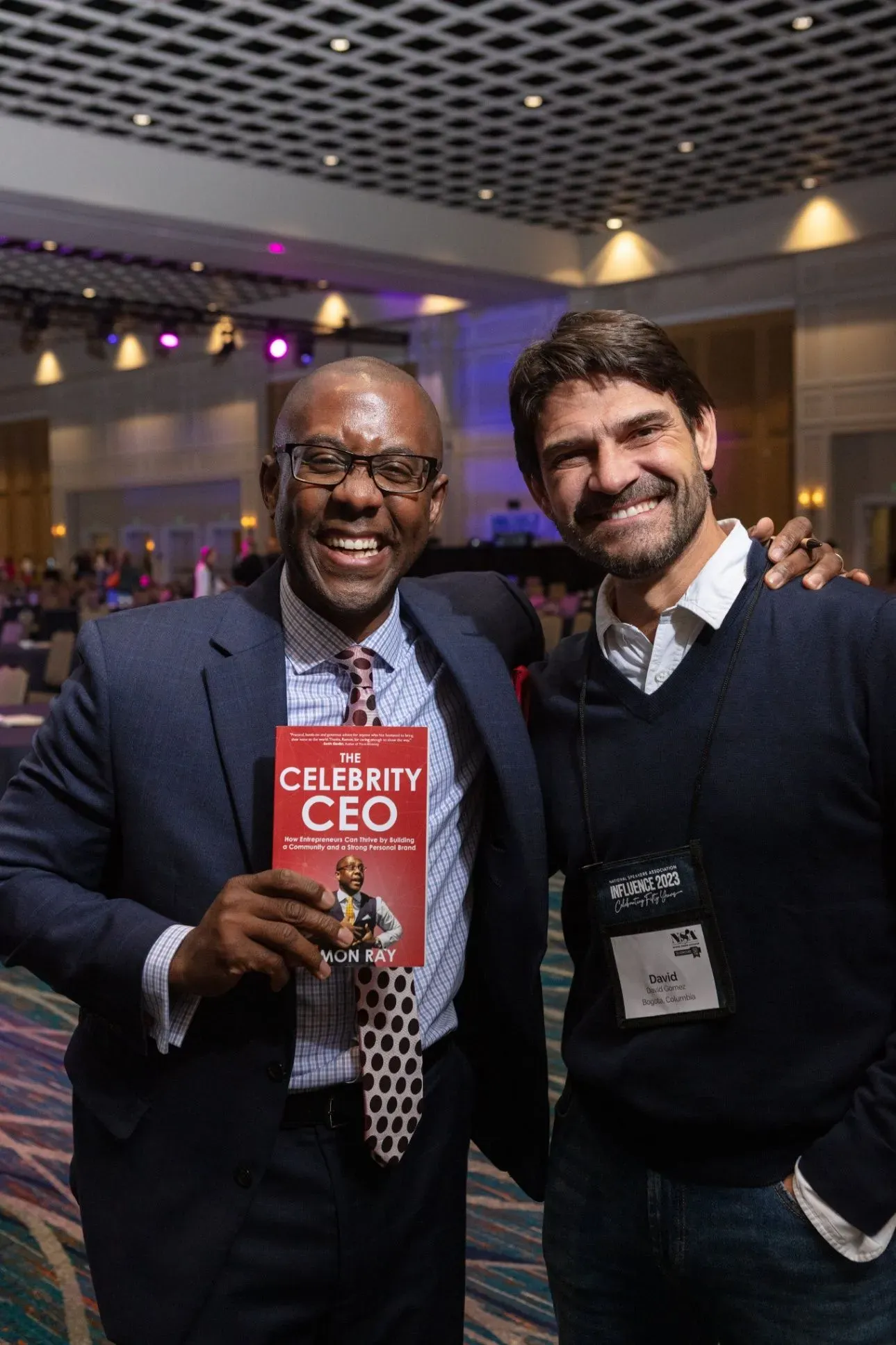
Ramon Ray, author of The Celebrity CEO: How Entrepreneurs Can Thrive by Building a Strong Personal Brand, is a keynote speaker, Publisher of ZoneofGenius.com, and contributor to Entrepreneur, Inc. and Forbes.