
If you’re wondering how to get speaking engagements, start by offering useful expertise to the audiences you already want to serve. You do not need to be a professional speaker or start with a major conference. A local association, chamber, podcast summit, or event you host can help you get known by the right people and build trust.
In brief: Pick an audience you can help, shape one talk around a problem they care about, and pitch relevant organizers with a clear, concise offer. Then follow up after the event. The goal is not just to get on stage. It’s to make your expertise memorable and give interested people a natural next step.
Why can speaking engagements grow your business?
A stage puts your ideas in front of a group of people at once. If the audience includes your potential customers, your talk can introduce your expertise, show how you think, and give people a reason to remember you.
The event organizer also brings an audience and promotes the program. That can make speaking a powerful part of your personal branding, especially when you choose events thoughtfully. You’re not trying to become famous. You’re working to become a recognized, trusted name in the niche you serve.
Speaking supports the Attention, Trust, Sales path: the right audience sees you, your useful talk helps earn trust, and a clear next step makes it easier for interested people to explore working with you. For more on the role visibility plays in building a reputation, read our guide to getting media coverage.

How to get speaking engagements that reach your buyers
Start with the people you want to serve, not the biggest stage you can find. Make a list of the events and groups your ideal customers already attend. Depending on your audience, that could include:
- Local chambers of commerce and business groups
- Industry associations and professional networks
- Conferences, workshops, and podcast summits
- Webinars and online events run by relevant organizations
- Events hosted by your own business or community
Look at the event’s past programs and audience descriptions. Check whether the topics match what you know and whether the people in the room could benefit from your expertise. A smaller gathering of potential buyers may be a better opportunity than a prestigious event with the wrong audience.
Build a simple prospect list. Record the organization, audience, event format, organizer’s contact information, and how to submit a proposal. Check each event’s current website or application instructions before pitching. You can also ask customers, peers, and other speakers which events they recommend.
Start small and make the organizer’s job easier
You do not need a polished speaker reel or years of stage experience to begin. Start with a short presentation at a local business group, a panel, a webinar, or a podcast summit. You might also host a small event yourself to practice shaping and delivering your talk.
Be useful to the organizer. Read the event’s theme and submission guidelines. Suggest a session that fits their audience and format. Meet deadlines, provide requested materials promptly, and make your presentation easy to promote.
If you’re new, an unpaid opportunity can sometimes help you practice, meet potential customers, or get a recording and testimonial. But think about the value to your business and the time involved. You can also ask about compensation, travel, or other arrangements before you commit. As your experience and demand grow, you can work toward opportunities to become a paid speaker.
Build your speaker one sheet
A speaker one sheet is a concise page organizers can scan to understand who you help, what you can speak about, and how to contact you. Keep it focused. Do not add credentials or results you cannot substantiate.
Your speaker one sheet
1. Name and clear positioning
Say who you help and what you help them do.2. Short speaker bio
Share the relevant experience that supports your talk.3. One to three talk topics
Give each topic a specific title and a short description of the audience’s takeaway.4. Photo and speaking proof
Include a professional headshot. Add a relevant video clip, testimonial, or event experience if you have one.5. Contact and next step
Provide a working email address and a link to your website or speaker page.
If you are just starting, you may not have a video reel or testimonials. Don’t let that stop you. Be honest about your experience and show organizers a clear talk proposal instead.
Create a talk around a real audience problem
A strong talk is not a tour of everything you know. It helps a particular audience understand or do something useful.
Choose a problem customers often bring to you. Then narrow it to one practical promise. For example, rather than “Marketing for small businesses,” you might focus on helping local service providers explain what makes their business different. Keep the promise grounded in what you can actually teach.
A useful talk often includes:
- A clear description of the problem
- A simple framework or set of steps
- An example that makes the idea easier to understand
- One action attendees can take after the session
Before you build slides, ask yourself: What should people be able to do or think differently after hearing this? That answer can guide your talk title, pitch, and call to action.
For another view of how visibility, credibility, and business growth work together, explore the Celebrity CEO system.
Free resource: Plan your personal brand
The free Celebrity CEO Blueprint can help you clarify who you want to reach, how to earn their attention, and what next step to offer. Download Free Blueprint
How to pitch an event organizer
Keep your pitch short, specific, and easy to evaluate. Show that you understand the event and its audience. Then explain how your talk could serve them.
Subject: Talk idea for [event or organization]
Hello [organizer name],
I saw that your event is for [audience or community]. I’d like to propose a session called [specific talk title]. It would help attendees [clear, relevant outcome].
They’ll leave with [one or two practical takeaways]. I’m [brief, relevant description of your experience]. Here’s my speaker one sheet: [link].
Would this be a fit for your upcoming program?
Thank you,
[Your name]
[Contact information]
Follow the organizer’s submission process if there is one. If you don’t hear back, a polite follow-up is appropriate. A quiet inbox is not a verdict on your expertise. Organizers may have limited slots, changing plans, or a full calendar.
What should you do after you leave the stage?
The talk is one part of the opportunity. How you follow through can help turn a good session into relationships, referrals, and future invitations.
- Thank the organizer. Ask if there is anything else they need from you.
- Follow up with people you met. Refer to your conversation and offer a relevant resource or next step.
- Share the recording or event recap. Get permission and follow the organizer’s preferences before posting.
- Ask for a testimonial. Make it easy by asking for a brief comment about the session and what attendees found useful.
- Keep in touch. Share a helpful idea, invite them to a relevant event, or check in when you have something meaningful to offer.

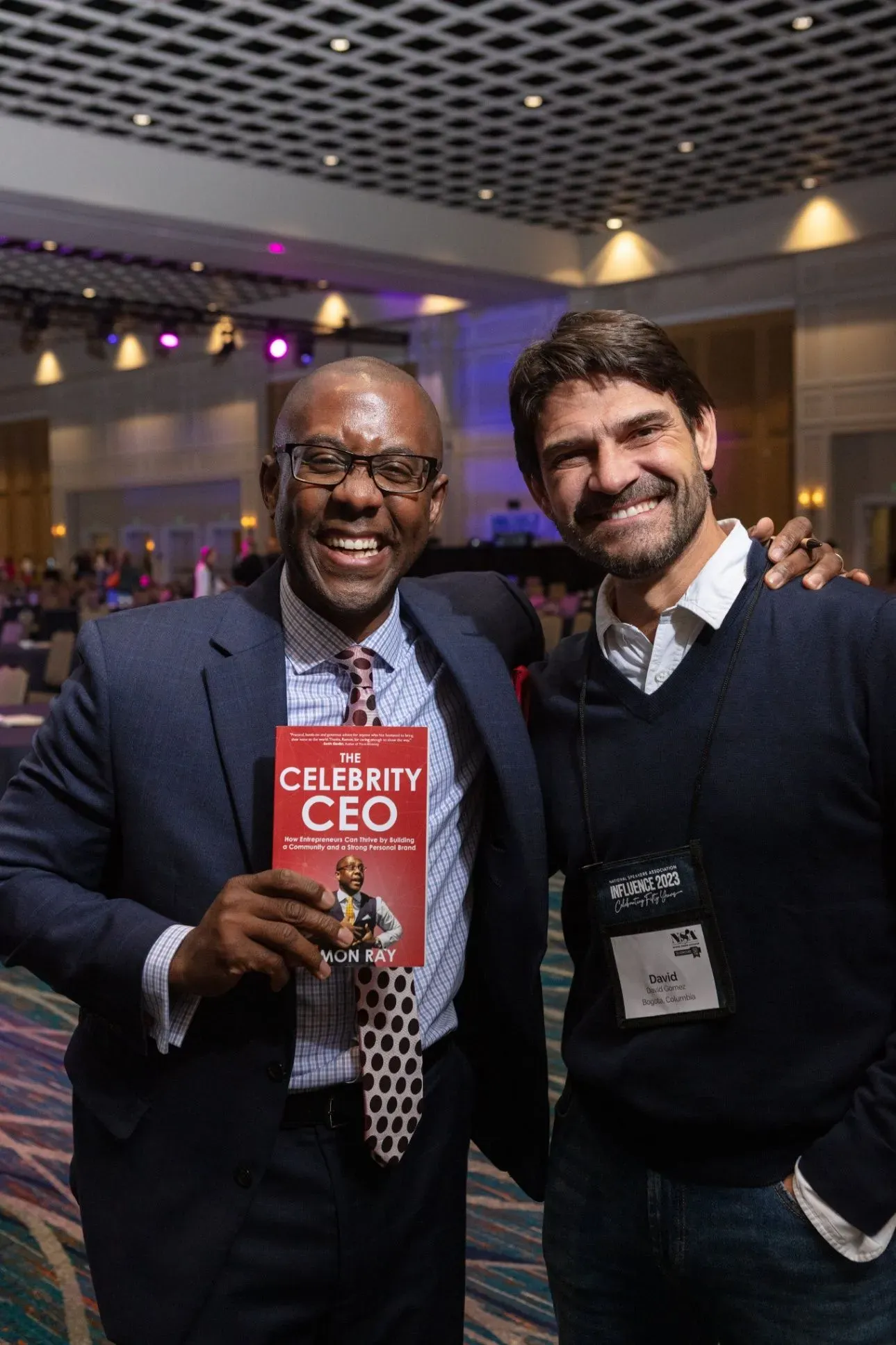
A talk can also create material for your consistent presence: a short video, a newsletter idea, a social post, or a follow-up article. That is one way to build recognition steadily instead of relying on a single viral moment. Ramon Ray, author of The Celebrity CEO, keynote speaker, Publisher of ZoneofGenius.com, and contributor to Entrepreneur, Inc., and Forbes, has built his work around showing entrepreneurs how to earn attention and trust through their personal brands.

Frequently asked questions
Do I need to be a professional speaker?
No. You need a useful idea and the ability to communicate it clearly. Start with a small, relevant opportunity and improve your talk as you gain experience.
Should I speak for free?
It depends on what the event offers and what it costs you to participate. An unpaid talk might help you practice, meet your audience, or get a recording. Consider the value and expectations before you agree, and discuss compensation when appropriate.
How do I get my first speaking gig?
Choose one practical talk, find a local group or online event that serves your target audience, and send the organizer a concise pitch. If you’re new, say so honestly and focus on what attendees will learn.
Take one step toward your next stage
Choose one group or event your ideal customers already attend. Write down a problem you can help that audience solve, then send the organizer a specific pitch this week. Keep showing up, keep improving your talk, and let each useful conversation build on the last.
If you’d like support developing your personal brand alongside other entrepreneurs, explore The Celebrity CEO Coaching. There’s a free trial to help you see whether the community and coaching are a fit for you.